Menu

14 Best Art Museums in Rome

Rome’s art museums range from grand Baroque palaces and ancient civic collections to intimate villas, modern galleries and peaceful gardens. This guide helps you choose by collection, setting and location, whether you want Bernini and Renaissance masterpieces, Roman archaeology or contemporary exhibitions. Check opening arrangements and reserve ahead for timed or limited-entry visits, especially around Villa Borghese and Trinità dei Monti.

How this guide is ordered

We researched the places in Rome that visitors recommend most and checked there's useful information for going.

Some businesses invest in featured services to gain visibility.

Top 3Full listMapHow to choose

Compare 14 local options

Galleria Colonna, Rome#1

Galleria Colonna

4.93,267 reviews
Via della Pilotta, 17, 00187 Roma RM, Italy
Best for
A planned palace-and-art visit

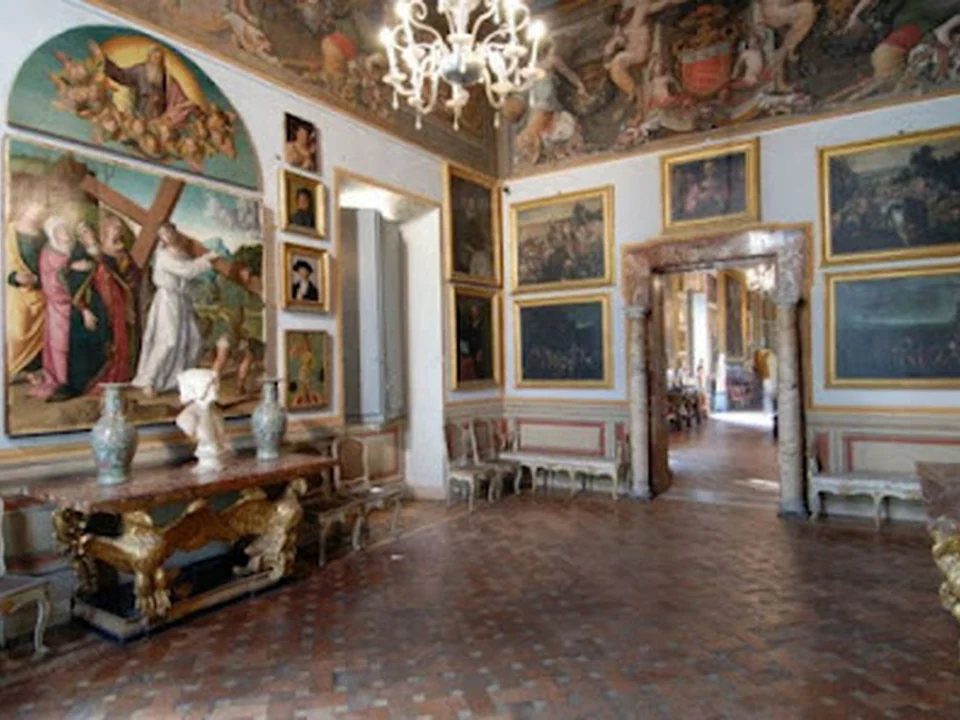
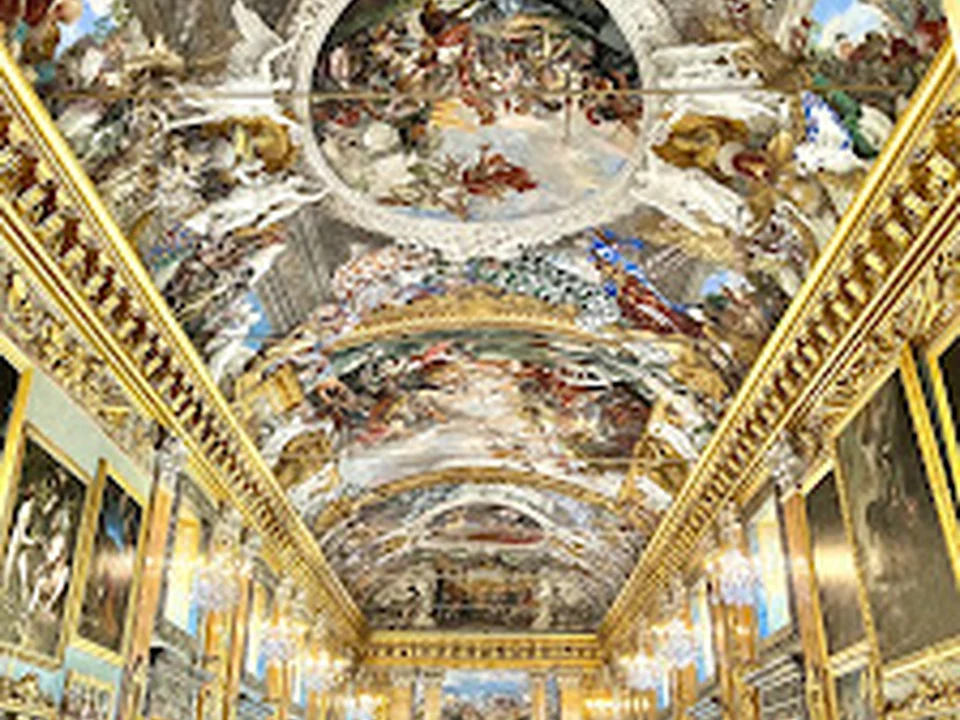
Galleria Colonna pairs an art museum with the grandeur of a private Baroque palace on Via della Pilotta. The Sala Grande is the visual centerpiece, creating a cinematic sense of scale, while the collection rewards visitors who enjoy architecture as much as painting and sculpture.

Its more limited public opening pattern makes it especially suited to a planned cultural visit rather than an improvised museum stop.

Capitoline Museums, Rome#2

Capitoline Museums

4.718,817 reviews
Piazza del Campidoglio, 1, 00186 Roma RM, Italy
Best for
Ancient art and Roman history

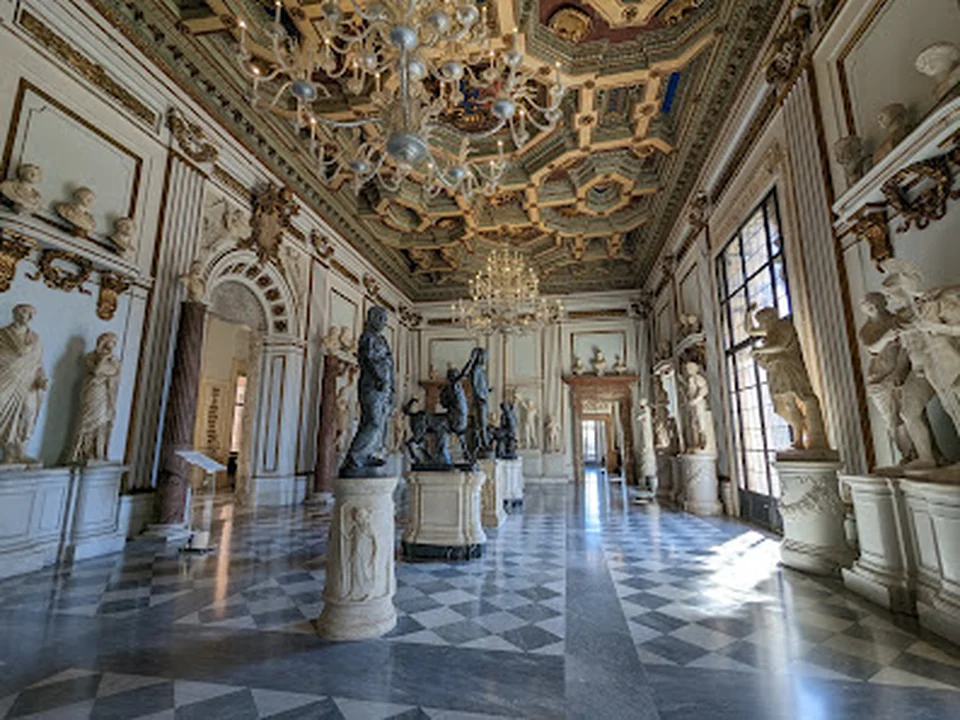
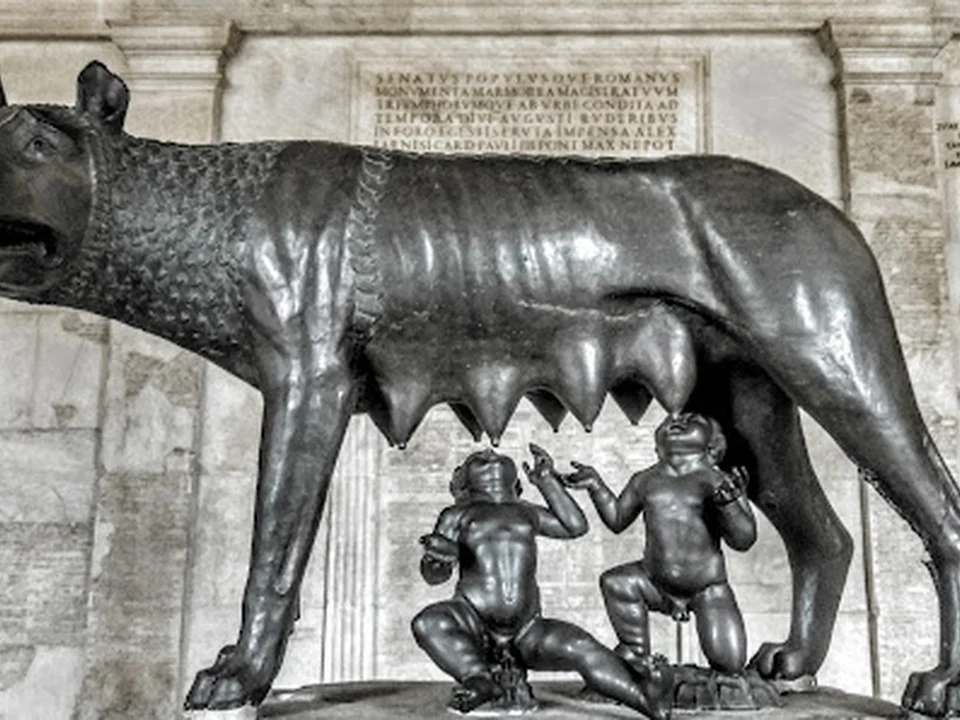
The Capitoline Museums turn Piazza del Campidoglio into a sweeping journey through Roman history. Ancient sculptures, archaeological collections and beautifully arranged galleries give the visit real depth, with enough detail to reward both art enthusiasts and history-focused travelers.

The museum’s setting in Rome’s monumental civic heart strengthens the experience, making it a natural choice for a substantial cultural afternoon.

Galleria Borghese, Rome#3

Galleria Borghese

4.630,123 reviews
Piazzale Scipione Borghese, 5, 00197 Roma RM, Italy
Best for
Concentrated Renaissance and Baroque masterpieces

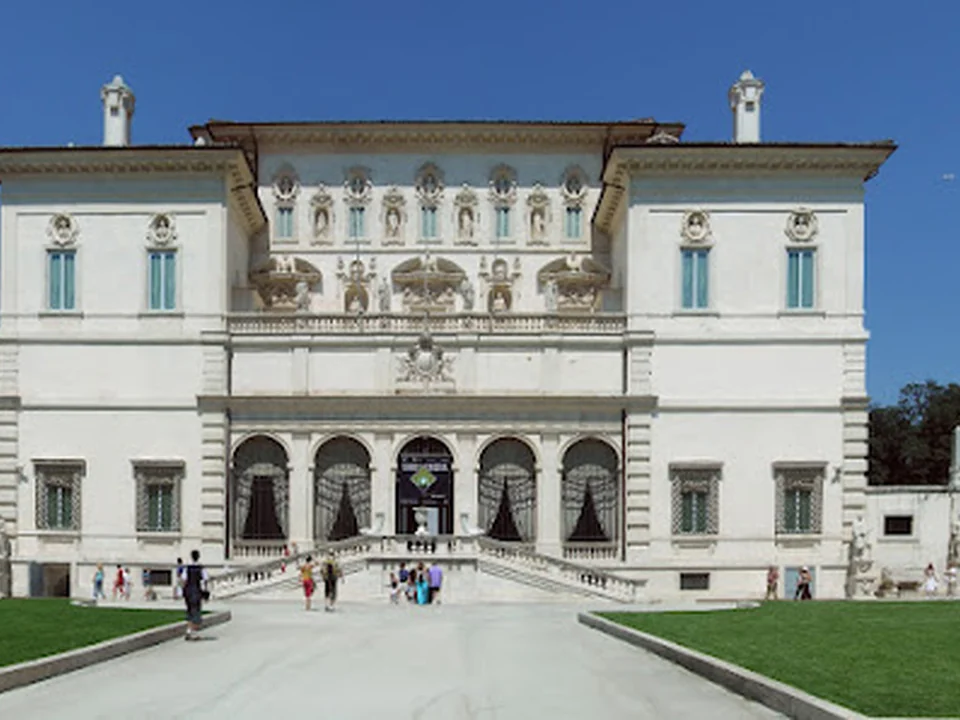
Galleria Borghese is an intimate art museum where the building competes with the collection for attention. Bernini’s sculptures are a major draw, joined by richly decorated rooms, celebrated paintings and striking ceilings.

Visits follow a strict two-hour format, so advance ticket planning is central to the experience. At Piazzale Scipione Borghese, it suits travelers who prefer concentrated masterpieces over a sprawling museum route.

National Gallery of Modern and Contemporary Art, Rome#4

National Gallery of Modern and Contemporary Art

4.611,011 reviews
Viale delle Belle Arti, 131, 00197 Roma RM, Italy
Best for
A spacious modern-art visit

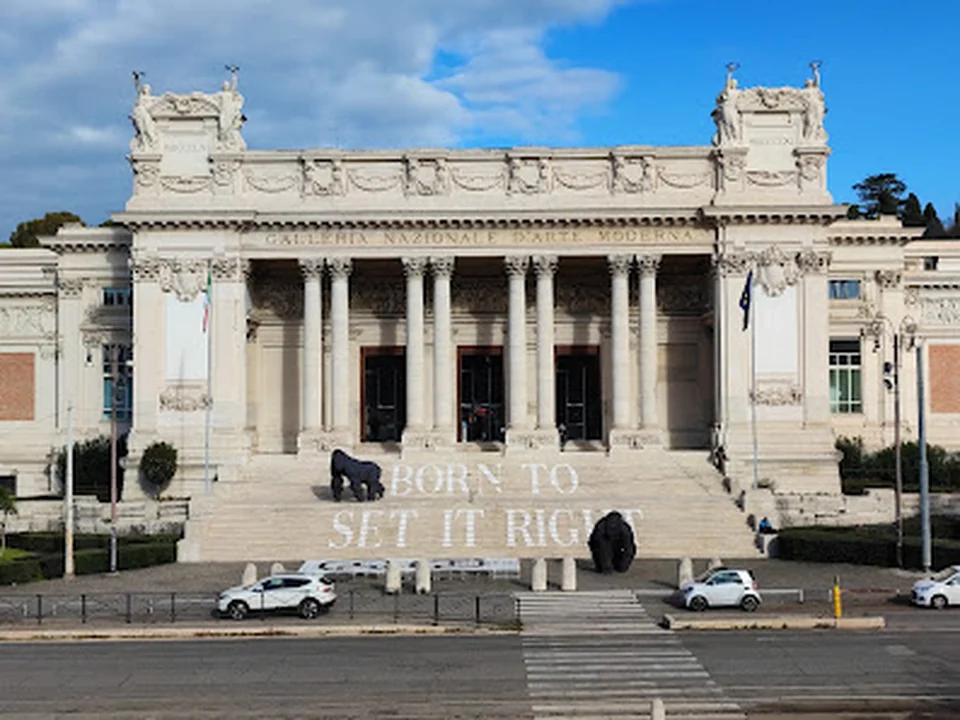
The National Gallery of Modern and Contemporary Art offers a spacious, quiet setting for 19th- and 20th-century painting and sculpture on Viale delle Belle Arti. Its generous exhibition rooms create a strong sense of scale, while the carefully paced layout encourages a slower look at the collection.

It is a good fit for visitors seeking modern art away from Rome’s busiest historic routes.

Gallerie Nazionali di Arte Antica - Palazzo Barberini, Rome#5

Gallerie Nazionali di Arte Antica - Palazzo Barberini

4.69,030 reviews
Via delle Quattro Fontane, 13, 00187 Roma RM, Italy
Best for
Baroque art and palace architecture

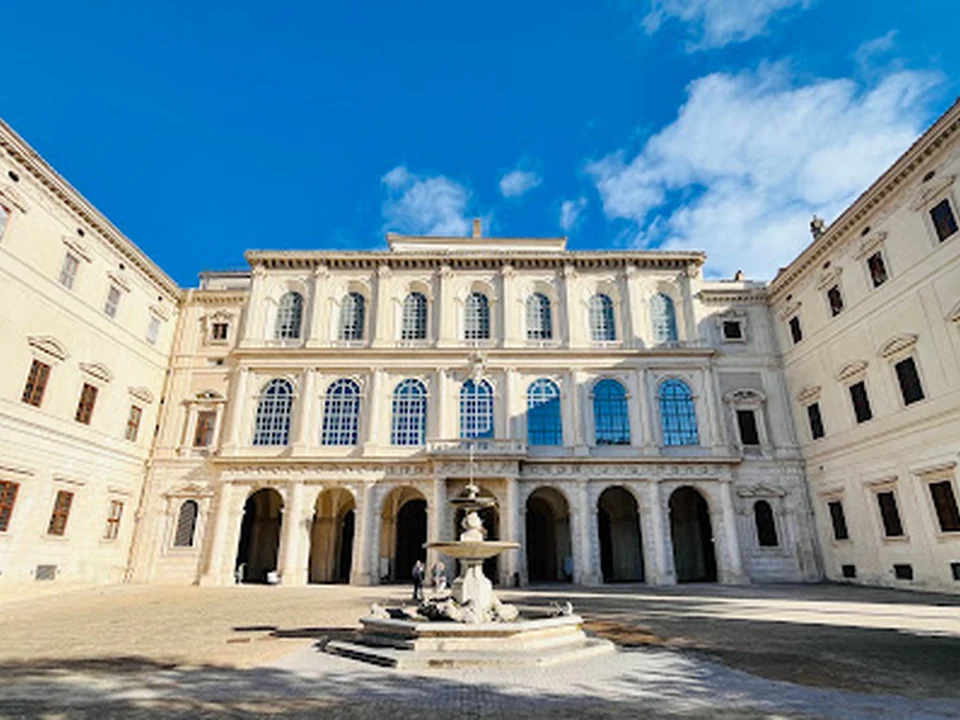
Palazzo Barberini brings an exceptional art collection into one of Rome’s most imposing 17th-century palaces. The grand interiors provide a fitting backdrop for paintings, sculpture and Baroque highlights, including a notable Bernini focus.

The wider Barberini Corsini institution connects two museum sites and more than 5,000 works of ancient art, while a children’s workshop adds a family-friendly dimension to its program.

Villa Farnesina, Rome#6

Villa Farnesina

4.63,259 reviews
Via della Lungara, 230, 00165 Roma RM, Italy
Best for
Renaissance frescoes and elegant interiors

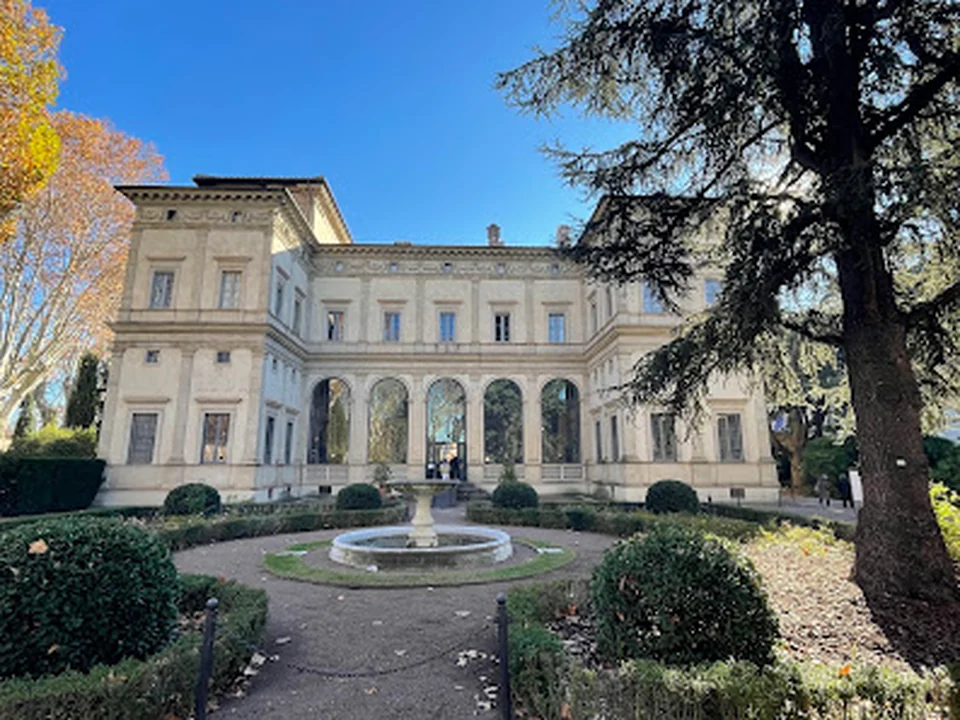
Villa Farnesina is a Renaissance art museum in Trastevere where architecture, gardens and Raphael-linked frescoes form one continuous experience. Mythological scenes, painted ceilings and statuary give the villa an unusually intimate character, closer to exploring a historic residence than a conventional gallery.

Its weekday morning schedule and the need to reserve ahead suit visitors building a deliberate, quieter cultural itinerary.

Galleria Spada, Rome#7

Galleria Spada

4.52,860 reviews
Piazza Capo di Ferro, 13, 00186 Roma RM, Italy
Best for
Quiet Baroque art and optical illusion

Galleria Spada offers a compact, atmospheric art visit inside a historic palace on Piazza Capo di Ferro. Its Baroque architecture and Borromini’s famous trompe-l’œil perspective share the spotlight with a focused collection of Renaissance and Baroque painters, including Titian and Artemisia Gentileschi.

The intimate scale makes it especially appealing when you want distinctive art and architectural detail without committing to a vast museum complex.

Centrale Montemartini, Rome#8

Centrale Montemartini

4.75,633 reviews
Via Ostiense, 106, 00154 Roma RM, Italy
Best for
Archaeology with an industrial twist

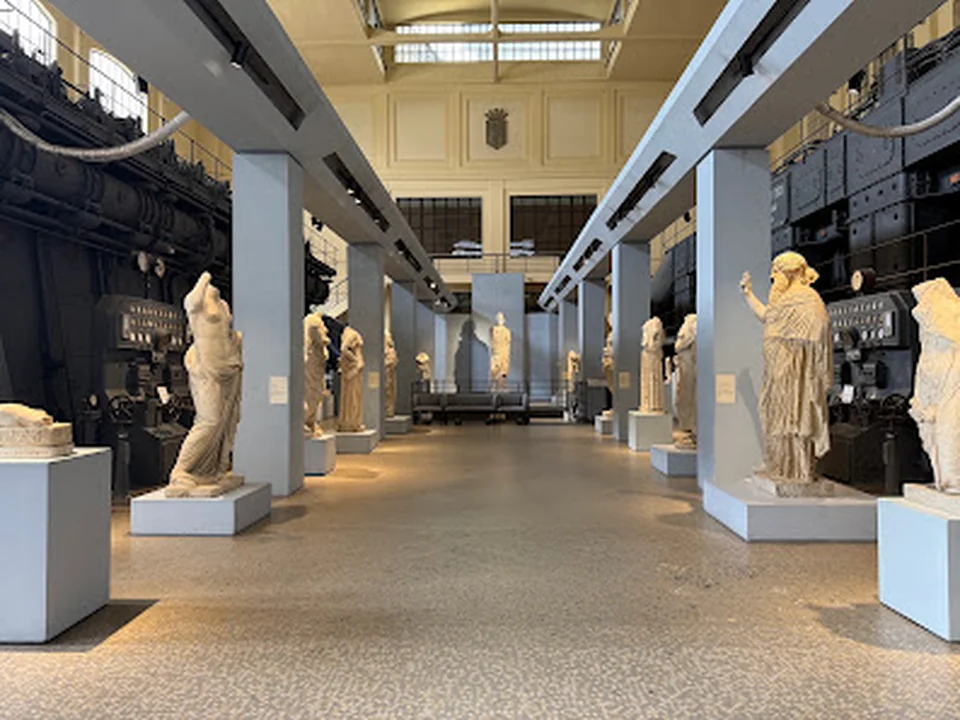
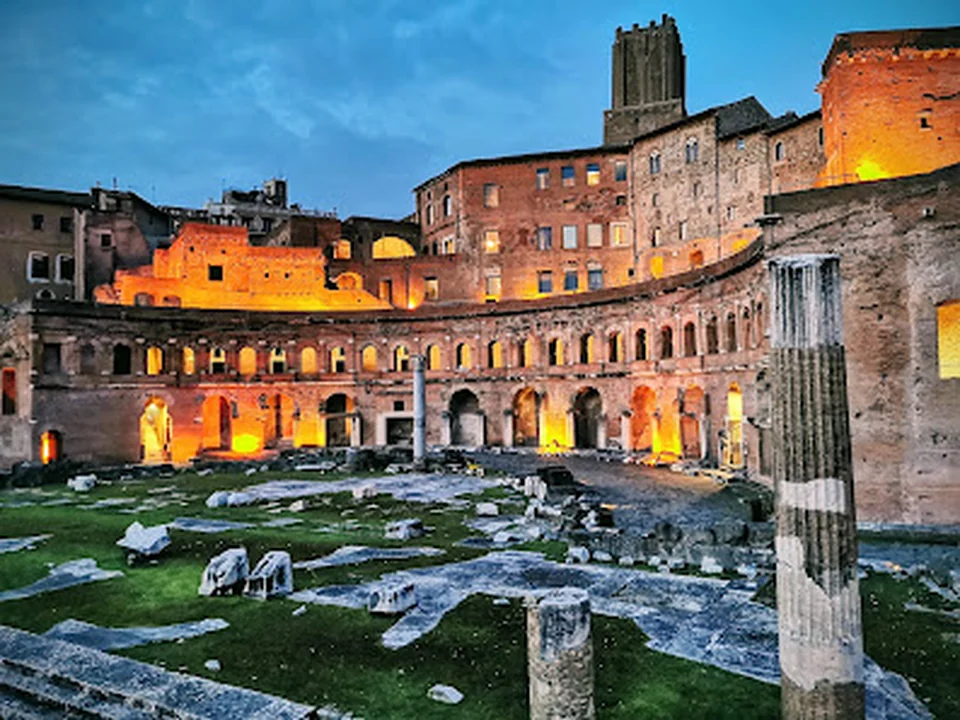
Centrale Montemartini creates one of Rome’s most distinctive museum contrasts by placing ancient marble sculpture, mosaics and archaeological objects inside a former power station. Steam and diesel machinery remain part of the visual language, giving the galleries an industrial scale that sharpens the impact of the classical works.

Its Via Ostiense location is a little beyond the central museum circuit, but the setting makes the detour worthwhile.

Villa Medici, Rome#9

Villa Medici

4.43,880 reviews
Viale della Trinità dei Monti, 1, 00187 Roma RM, Italy
Best for
Quiet gardensarchitecture and exhibitions

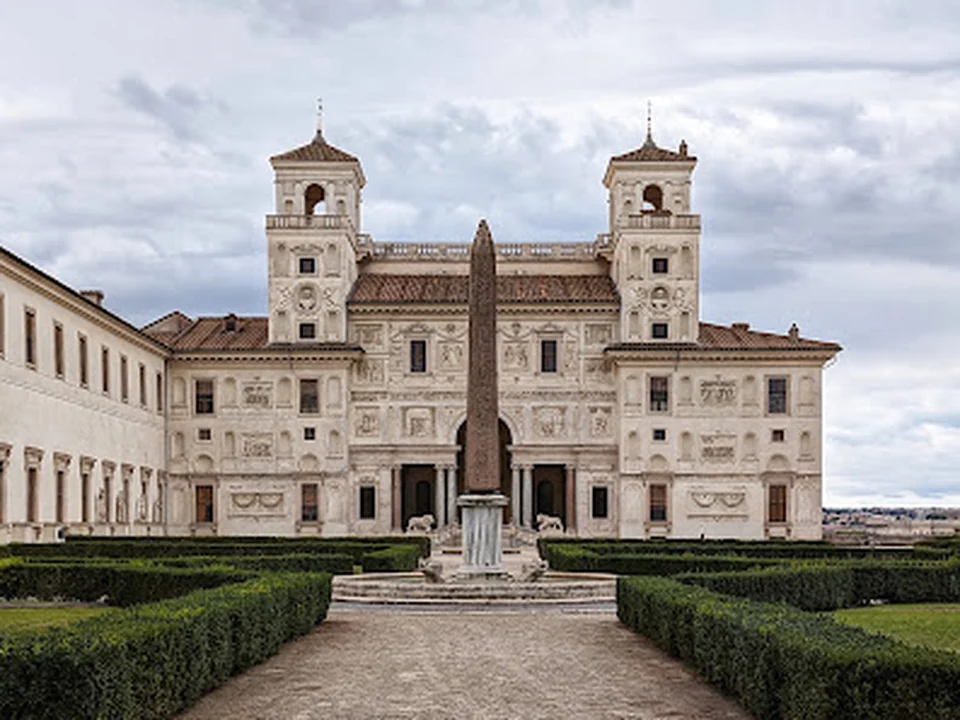
Villa Medici offers a calm art-and-architecture experience above Rome, with an elegant palace, peaceful gardens and a changing program of contemporary projects and events. The atmosphere is composed and carefully maintained rather than theatrical, making it a welcome pause from the city’s intensity.

Tours and temporary exhibitions give the visit added interest, while advance booking is sensible for a planned cultural outing.

Museo e Cripta dei Cappuccini, Rome#10

Museo e Cripta dei Cappuccini

4.65,442 reviews
Via Vittorio Veneto, 27, 00187 Roma RM, Italy
Best for
Unconventional history and religious heritage

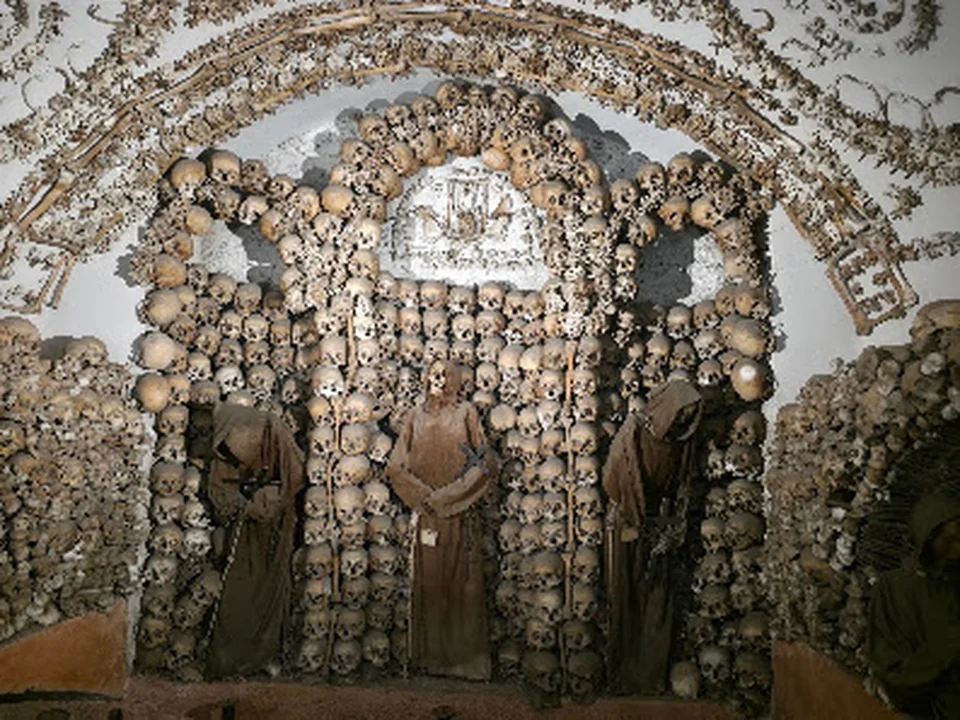
Museo e Cripta dei Cappuccini combines a museum on Capuchin history with a carefully structured route leading into the atmospheric crypt. The self-guided audio tour gives context to the religious order and the unusual bone displays, turning an initially startling visit into a thoughtful cultural experience.

At Via Vittorio Veneto, it suits curious travelers drawn to Rome’s more unconventional museums and contemplative spaces.

Il Palazzo dei Conservatori, Rome#11

Il Palazzo dei Conservatori

4.7389 reviews
Piazza del Campidoglio, 4, 00186 Roma RM, Italy
Best for
Classical sculpture and Renaissance architecture

Il Palazzo dei Conservatori is a museum within the Capitoline complex, set on Piazza del Campidoglio in a monumental structure designed by Michelangelo. The galleries bring famous Roman statues and archaeological pieces into an architectural setting that feels inseparable from the collection.

Arriving at opening time can create a calmer start, especially for visitors who want to study the sculptures before the main daytime crowds build.

Museo di Roma - Palazzo Braschi, Rome#12

Museo di Roma - Palazzo Braschi

4.55,141 reviews
Piazza di S. Pantaleo, 10, 00186 Roma RM, Italy
Best for
Rome’s urban history and temporary exhibitions

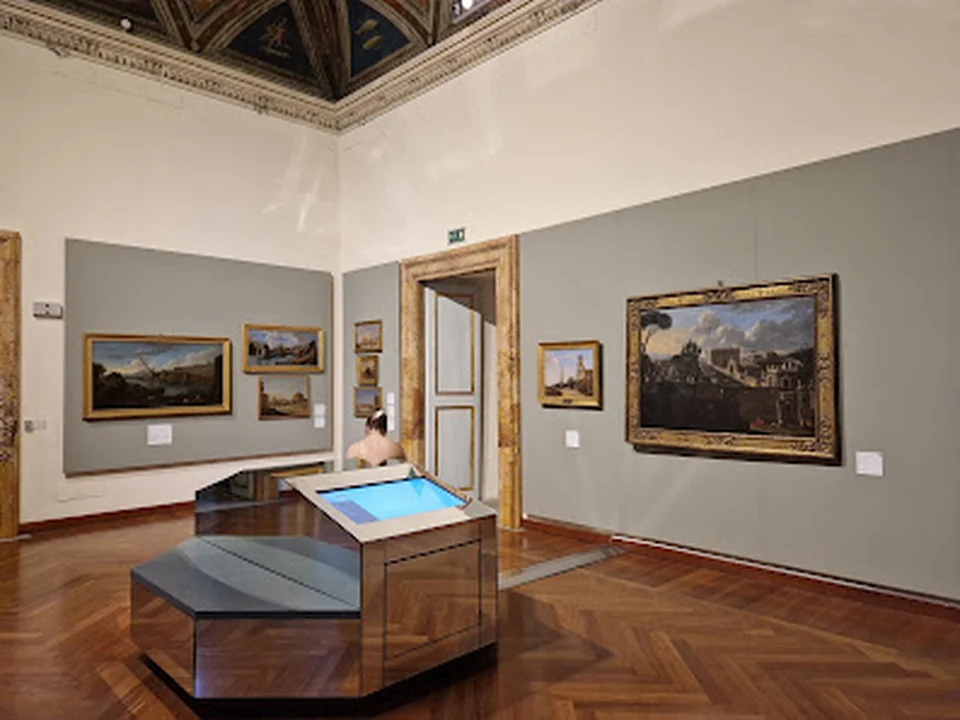
Museo di Roma occupies the restored Palazzo Braschi beside Piazza Navona, using an 18th-century palace to explore Rome through art, urban history and changing exhibitions. A detailed presentation on the city’s towns, gardens and public spaces shows how culture, planning and everyday life intersect.

Its central setting makes it convenient for a focused exhibition visit paired with a walk through Rome’s historic core.

National Museum of the Palazzo di Venezia, Rome#13

National Museum of the Palazzo di Venezia

4.52,786 reviews
Via del Plebiscito, 118, 00186 Roma RM, Italy
Best for
Palace interiors and compact historic collections

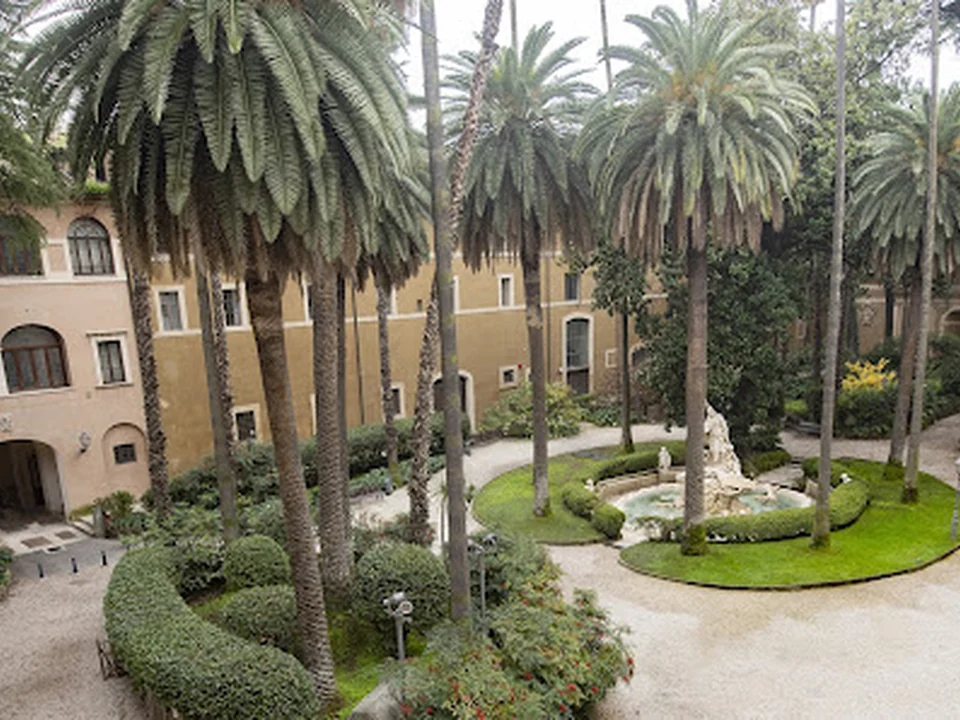
The National Museum of the Palazzo di Venezia combines a 15th-century Renaissance palace with a varied collection of small sculptures, weapons, armor and decorative art. Its elegant inner garden adds a quieter dimension to the visit, offering space to pause after the galleries.

Near Piazza Venezia, it works well for an afternoon cultural stop when architecture, courtyards and intimate collections matter as much as headline masterpieces.

MACRO, Rome#14

MACRO

4.24,901 reviews
V. Nizza, 138, 00198 Roma RM, Italy
Best for
Modern installations and unconventional spaces

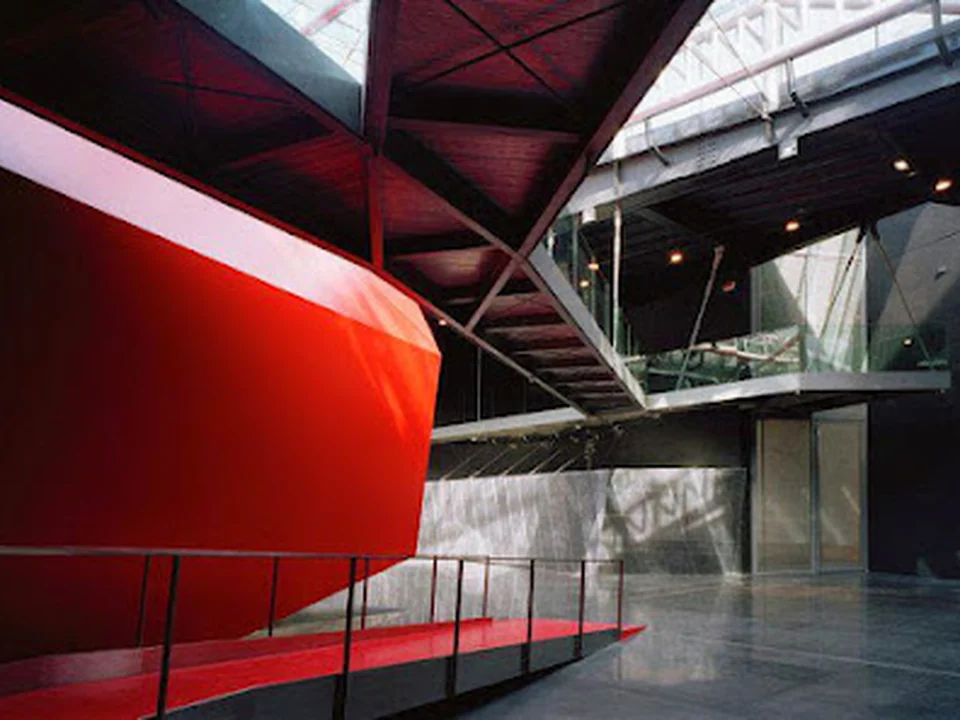
MACRO is a contemporary art museum on Viale Nizza, housed in a steel-and-glass complex with a notably expansive footprint. The building itself shapes the visit, offering a large-scale setting for changing installations and modern artistic projects.

It is best approached by visitors curious about experimental exhibition spaces and willing to explore a less traditional museum format rather than expecting a dense sequence of historic masterpieces.

The comparison at a glance

#BusinessRatingReviewsBest for
#1Galleria Colonna 4.93,267A planned palace-and-art visit
#2Capitoline Museums 4.718,817Ancient art and Roman history
#3Galleria Borghese 4.630,123Concentrated Renaissance and Baroque masterpieces
#4National Gallery of Modern and Contemporary Art 4.611,011A spacious modern-art visit
#5Gallerie Nazionali di Arte Antica - Palazzo Barberini 4.69,030Baroque art and palace architecture
#6Villa Farnesina 4.63,259Renaissance frescoes and elegant interiors
#7Galleria Spada 4.52,860Quiet Baroque art and optical illusion
#8Centrale Montemartini 4.75,633Archaeology with an industrial twist
#9Villa Medici 4.43,880Quiet gardens
#10Museo e Cripta dei Cappuccini 4.65,442Unconventional history and religious heritage
#11Il Palazzo dei Conservatori 4.7389Classical sculpture and Renaissance architecture
#12Museo di Roma - Palazzo Braschi 4.55,141Rome’s urban history and temporary exhibitions
#13National Museum of the Palazzo di Venezia 4.52,786Palace interiors and compact historic collections
#14MACRO 4.24,901Modern installations and unconventional spaces

Run a business?

Manage or add my business

Map of Art Museums in Rome

Use the map to shape your day around Rome’s central districts. Campidoglio, Barberini, Via della Pilotta and Piazza Capo di Ferro work well for historic palace collections, while Villa Borghese groups several major destinations near green space. Trastevere and the Aventine-side museums offer a different pace, with villas, gardens and smaller-scale visits worth combining with nearby walks.

Services to compare

  • Ancient art and Roman historyThe Capitoline Museums combine archaeological collections, ancient sculpture and Roman history in the monumental setting of Piazza del Campidoglio.
  • Renaissance and Baroque masterpiecesGalleria Borghese offers an intimate, tightly timed visit centred on Bernini, celebrated paintings, richly decorated rooms and striking ceilings.
  • Baroque palace collectionsPalazzo Barberini pairs major paintings and sculpture with the scale and architecture of a 17th-century Roman palace.
  • Renaissance frescoes and elegant interiorsVilla Farnesina in Trastevere brings painted ceilings, Raphael-linked frescoes, statuary and historic gardens together in a residential setting.
  • Modern and contemporary artThe National Gallery of Modern and Contemporary Art provides spacious exhibition rooms and a slower-paced collection of 19th- and 20th-century works.
  • Compact Baroque art visitsGalleria Spada combines a focused Renaissance and Baroque collection with Borromini’s celebrated trompe-l’œil corridor.
  • Architecture, gardens and exhibitionsVilla Medici offers peaceful gardens above Rome alongside an elegant palace and a changing program of contemporary projects and events.

How to choose Art Museums in Rome

  1. Choose Galleria Borghese only if its two-hour timed format fits your schedule and you can arrange entry in advance.
  2. Pick the Capitoline Museums for a broad combination of ancient sculpture, archaeology and Roman history rather than a single-period collection.
  3. Pair Palazzo Barberini with other central sights when palace architecture and Baroque painting matter as much as the artworks.
  4. Allow extra time for Villa Farnesina if you want to appreciate its frescoed rooms, gardens and intimate historic-house atmosphere.
  5. Use Villa Medici or the National Gallery for a calmer itinerary with gardens, spacious rooms or contemporary programming.
  6. Before travelling, confirm the day’s opening hours, tour arrangements and any reservation requirement, particularly for limited-entry venues.

Frequently asked questions

Which art museum in Rome is best for Bernini?

Galleria Borghese is the clearest choice for a concentrated Bernini experience. Its intimate rooms place the sculptures alongside richly decorated interiors and important paintings. Because visits follow a strict two-hour format, advance planning is essential rather than something to leave until arrival.

Where can I see ancient art and Roman history?

The Capitoline Museums are especially suited to that combination. Their galleries bring together ancient sculptures, archaeological material and Roman historical context in and around Piazza del Campidoglio, making the setting part of the experience.

Which museum is a good choice for Renaissance frescoes?

Villa Farnesina in Trastevere is a strong option for visitors who want Renaissance frescoes in an elegant historic residence. Painted ceilings, mythological scenes, statuary and gardens create a more intimate visit than a conventional large gallery.

Can I visit a quieter art museum in Rome?

Yes. The National Gallery of Modern and Contemporary Art offers generous rooms and a slower atmosphere, while Villa Medici adds peaceful gardens, architecture and changing exhibitions. Galleria Spada is another compact option when you prefer a focused Baroque visit.

Should I reserve Rome art museums in advance?

For some museums, especially Galleria Borghese, planning ahead is central to securing a suitable entry time. Villa Farnesina and Villa Medici may also require attention to opening patterns or tour arrangements. Confirm current visiting details before setting out.
Related guides