RomeList

15 Best Catacombs in Rome

Rome’s catacombs offer very different ways to explore the city’s underground history. San Callisto and Saint Sebastian sit along Via Appia Antica, while Domitilla and Priscilla suit visitors planning time on Via delle Sette Chiese or Via Salaria.

Compare guided tour style, historical focus, languages and practical access before choosing a visit that fits your itinerary.

How this guide is ordered

The options are ordered by the clarity of their visitor experience, historical focus, location, tour format and suitability for different interests. Availability, language options and the need to reserve ahead also matter when planning your visit. Some eligible businesses may purchase enhanced visibility, which can influence their placement.

Top 3 Ranking Map How to choose

Rome’s leading underground-history sites

Open each listing to see services, location, and contact details.

#1
Catacombe di San Callisto
4.612388 reviews
History-focused visits beyond central Rome
#2
Museo e Cripta dei Cappuccini
4.65442 reviews
Unconventional history and religious heritage
#3
Catacombs of Saint Sebastian
4.64576 reviews
Families and visitors wanting a concise historical tour
#4
Catacombs of Domitilla
4.63755 reviews
Visitors seeking a broadmultilingual catacomb tour
#5
Catacombs of Priscilla
4.62075 reviews
archaeology and early-Christian history enthusiasts
#6
Mausoleum of Cecilia Metella
4.61681 reviews
History-focused walks and atmospheric ancient monuments
#7
Mausoleum of Saint Helena at Tor Pignattara
4.7457 reviews
Guided archaeological visits and early Christian history
#8
Curia di Pompeo
4.7356 reviews
History enthusiasts and short archaeological stops
#9
Temple of Divus Julius
4.7351 reviews
Roman history itineraries and Forum visits
#10
Tombs of Via Latina
4.5841 reviews
Visitors seeking a peaceful archaeological setting beyond central Rome
#11
Basilica of San Clemente
4.77954 reviews
Layered archaeology beneath a working basilica
#12
Basilica of St. Agnes Outside the Walls
4.71128 reviews
#13
Basilica of Maxentius
4.7633 reviews
#14
Basilica of St Sebastian Outside the Walls
4.7463 reviews
Seven Churches pilgrimageAppian Way heritage walks
#15
Porta Maggiore
4.35486 reviews
Travellers fascinated by ancient aqueducts and Roman urban history

Explore all 15 catacombs in Rome

Catacombe di San Callisto #1

Catacombe di San Callisto

4.612388 reviews
Via Appia Antica, 110/126, 00179 Roma RM, Italy
Best for
History-focused visits beyond central Rome

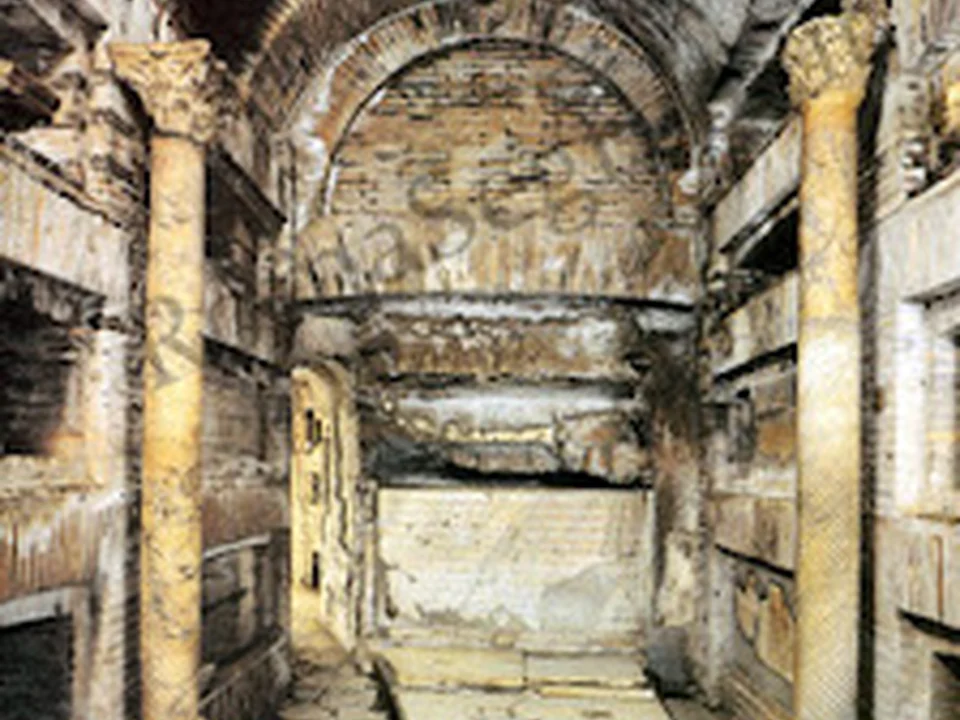
Catacombe di San Callisto is a historic underground burial complex on the Appian Way, with ancient tunnels, crypts and a museum component. Guided visits explain the site’s construction and early Christian history, while the underground route offers a cooler, atmospheric break from Rome’s heat.

Tickets are arranged online and visits run in morning and afternoon sessions, so checking the time slot before travelling is important.

Museo e Cripta dei Cappuccini #2

Museo e Cripta dei Cappuccini

4.65442 reviews
Via Vittorio Veneto, 27, 00187 Roma RM, Italy
Best for
Unconventional history and religious heritage

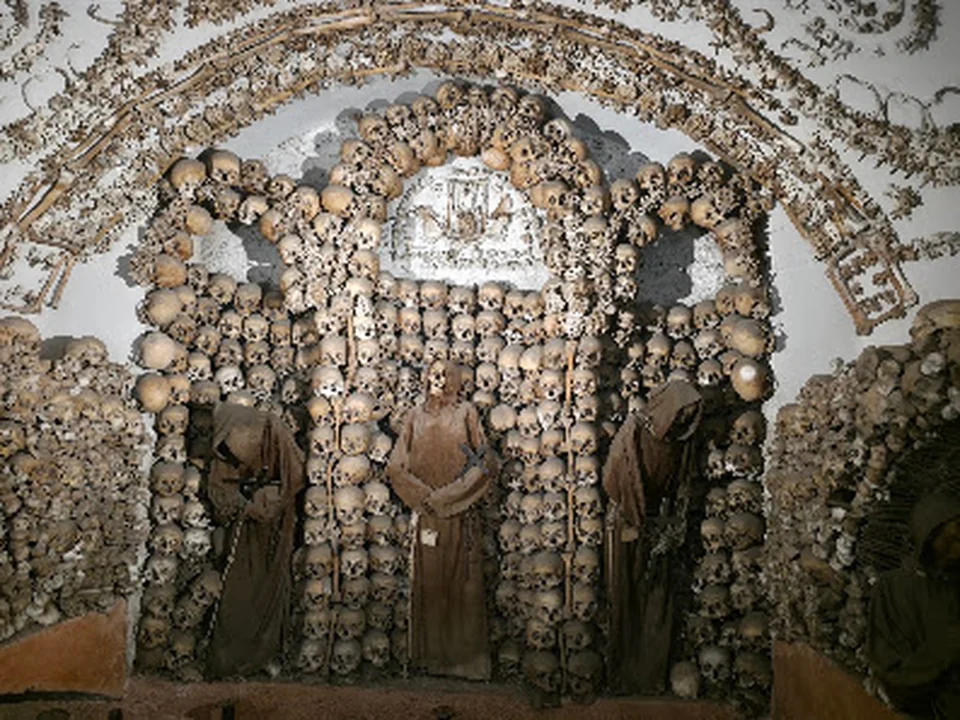
Museo e Cripta dei Cappuccini combines a museum on Capuchin history with a carefully structured route leading into the atmospheric crypt. The self-guided audio tour gives context to the religious order and the unusual bone displays, turning an initially startling visit into a thoughtful cultural experience.

At Via Vittorio Veneto, it suits curious travelers drawn to Rome’s more unconventional museums and contemplative spaces.

Catacombs of Saint Sebastian #3

Catacombs of Saint Sebastian

4.64576 reviews
Via Appia Antica, 136, 00179 Roma RM, Italy
Best for
Families and visitors wanting a concise historical tour

The Catacombs of Saint Sebastian form an archaeological museum on Via Appia Antica, offering a guided introduction to early Christian Rome and its underground burial spaces. Tours are informative, well organised and accessible for visitors who prefer history explained in a clear, structured way, including English-language guidance.

The route is shorter than at some nearby catacombs, making it a manageable choice for families and focused half-day itineraries.

Catacombs of Domitilla #4

Catacombs of Domitilla

4.63755 reviews
Via delle Sette Chiese, 282, 00147 Roma RM, Italy
Best for
Visitors seeking a broadmultilingual catacomb tour

The Catacombs of Domitilla offer an extensive underground visit on Via delle Sette Chiese, including ancient burial passages and a sunken church. Guided tours bring together Roman pagan and Christian history, with visits available in five languages.

The site is away from a Metro station, so it fits best into an itinerary with dedicated transport or a planned tour connection. Eucharistic and liturgical celebrations are also part of the programme.

Catacombs of Priscilla #5

Catacombs of Priscilla

4.62075 reviews
Via Salaria, 430, 00199 Roma RM, Italy
Best for
archaeology and early-Christian history enthusiasts

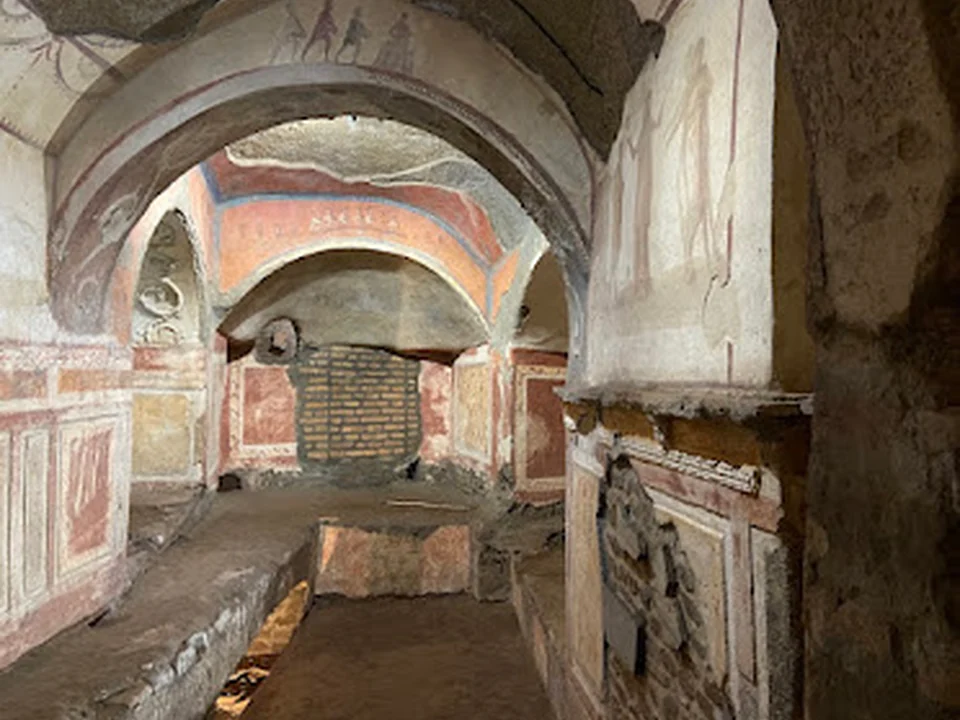
The Catacombs of Priscilla are an archaeological museum on Via Salaria, centred on an ancient underground cemetery with preserved paintings and early Christian symbolism. Guided walking tours explain burial practices and the development of the faith in Rome, making the site especially rewarding for visitors interested in art and religious history.

Photography and video are not allowed inside, and appropriate clothing covering shoulders and knees is expected.

Mausoleum of Cecilia Metella #6
What stands out
  • Video presentation and virtual-reality visors

Mausoleum of Cecilia Metella

4.61681 reviews
Via Appia Antica, 161, 00179 Roma RM, Italy
Best for
History-focused walks and atmospheric ancient monuments

The Mausoleum of Cecilia Metella offers a peaceful open-air encounter with one of the Appian Way’s most striking ancient funerary monuments. Its cylindrical Roman tomb, adjoining Castrum Caetani and nearby Church of San Nicola create a rewarding setting for visitors who enjoy architecture, history and an unhurried walk.

At Via Appia Antica 161, the visit can include historical explanations, a video presentation and virtual-reality visors. The site is listed open Tuesday to Sunday, 9am–7:15pm, and advance booking is advisable for a planned visit.

Mausoleum of Saint Helena at Tor Pignattara #7

Mausoleum of Saint Helena at Tor Pignattara

4.7457 reviews
Via Casilina, 641, 00177 Roma RM, Italy
Best for
Guided archaeological visits and early Christian history

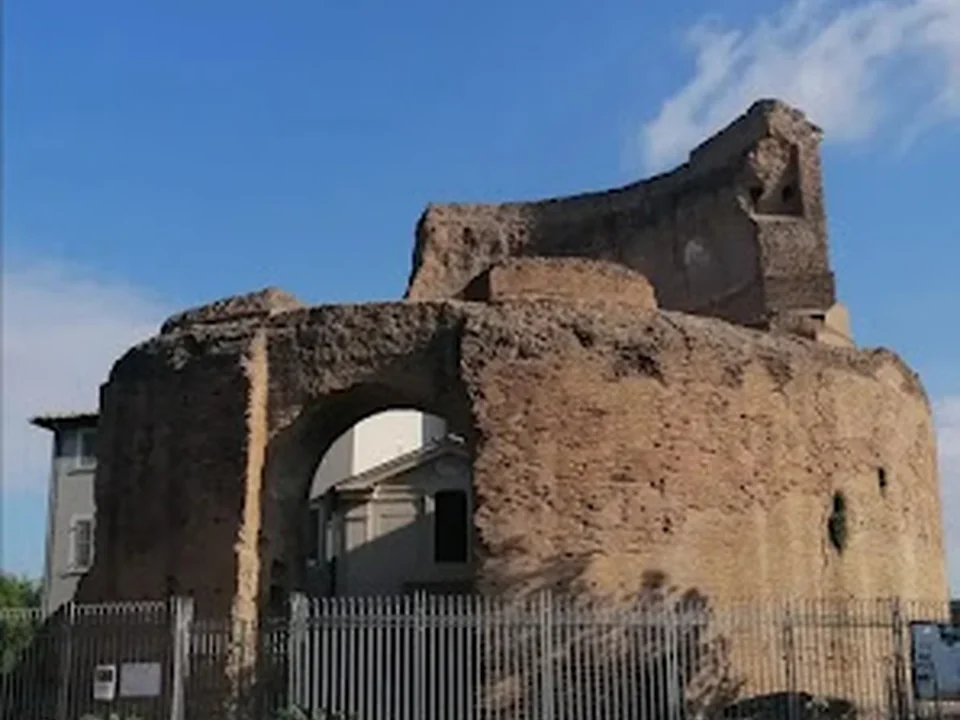
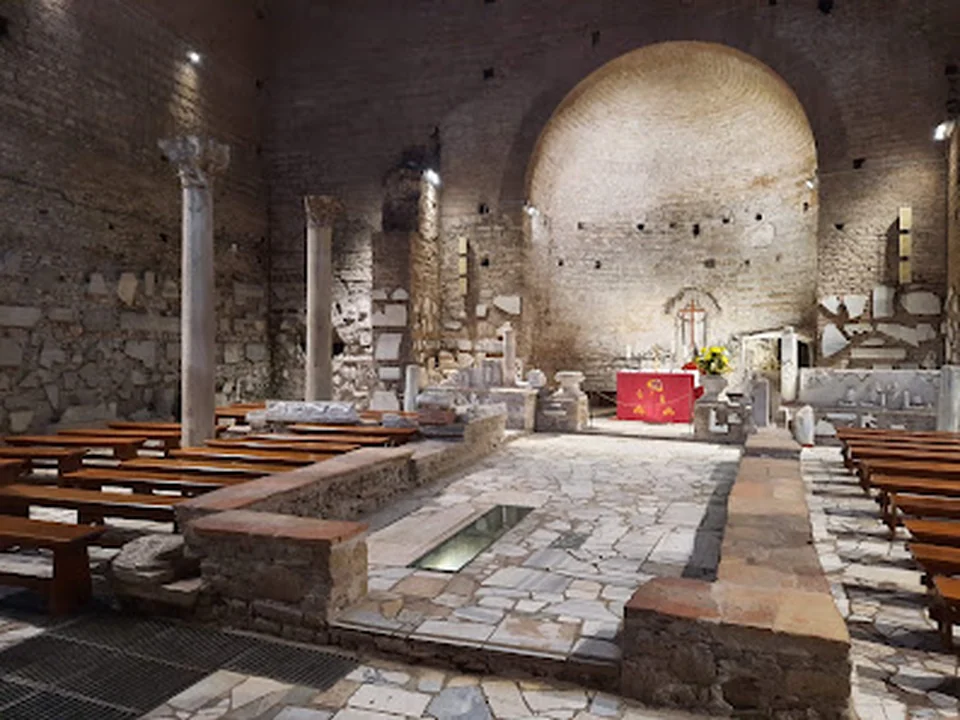
The Mausoleum of Saint Helena forms part of an archaeological complex that brings together the mausoleum, the Catacombs of Saints Marcellinus and Peter, and the wider Ad duas lauros setting. Guided visits add historical context, with frescoes and the underground heritage providing the main draw for curious visitors.

Located at Via Casilina 641 in Tor Pignattara, the site sits outside Rome’s central circuit and requires some planning. Guided tours and bookings are part of the visit, so reserve ahead and allow extra time for the journey.

Curia di Pompeo #8

Curia di Pompeo

4.7356 reviews
Largo di Torre Argentina, 00186 Roma RM, Italy
Best for
History enthusiasts and short archaeological stops

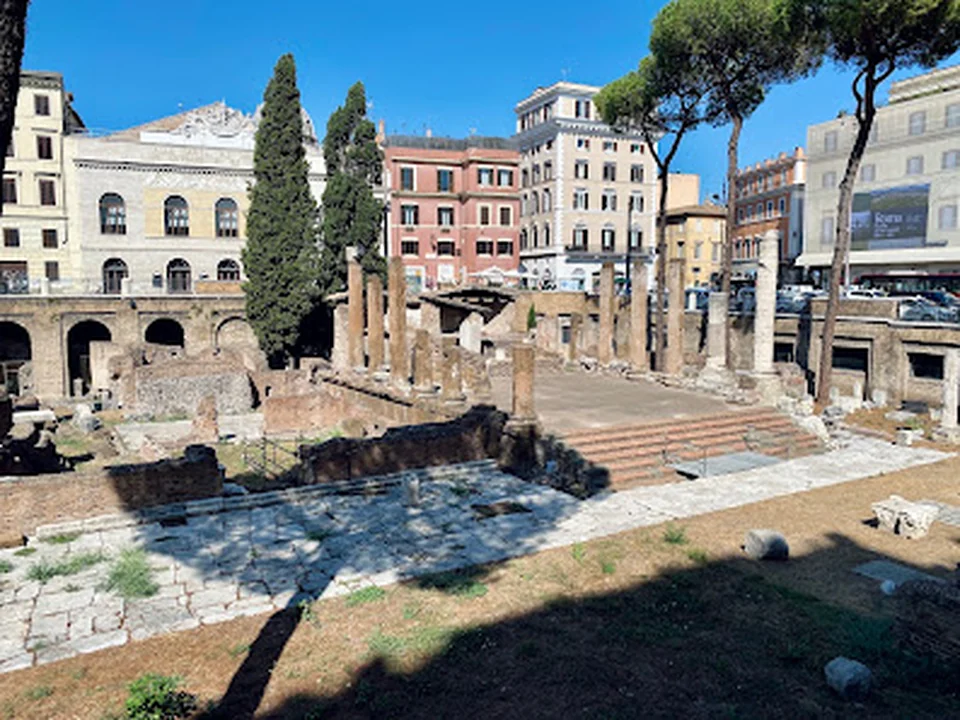
Curia di Pompeo is a compact historical landmark at Largo di Torre Argentina, best suited to visitors drawn to the political drama of ancient Rome. Its significance comes from its association with the assassination of Julius Caesar, making it a memorable stop for history-focused itineraries.

The site can be viewed from street level for free, while a paid lower-level visit offers a closer look at the archaeological remains. With no opening schedule or phone contact listed, the street-level viewpoint is the most straightforward option for a flexible visit.

Temple of Divus Julius #9

Temple of Divus Julius

4.7351 reviews
Via della Salara Vecchia, 5/6, 00186 Roma RM, Italy
Best for
Roman history itineraries and Forum visits

The Temple of Divus Julius marks a powerful episode in Roman history: the place where Julius Caesar’s body was burned after his assassination, later formalised by Octavian with a temple and altar. The surviving ruins reward visitors who enjoy connecting a modest archaeological footprint with an outsized historical story.

Set on the eastern side of the Roman Forum at Via della Salara Vecchia 5/6, it works best as part of a wider Forum route. Listed hours are daily from 8:30am to 4:30pm, with access centred on the broader archaeological area.

Tombs of Via Latina #10
What stands out
  • a quieter archaeological outing away from Rome’s busiest centre

  • ancient burial chambers set along a distinctive cobbled path

Tombs of Via Latina

4.5841 reviews
Via dell'Arco di Travertino, 151, 00178 Roma RM, Italy
Best for
Visitors seeking a peaceful archaeological setting beyond central Rome

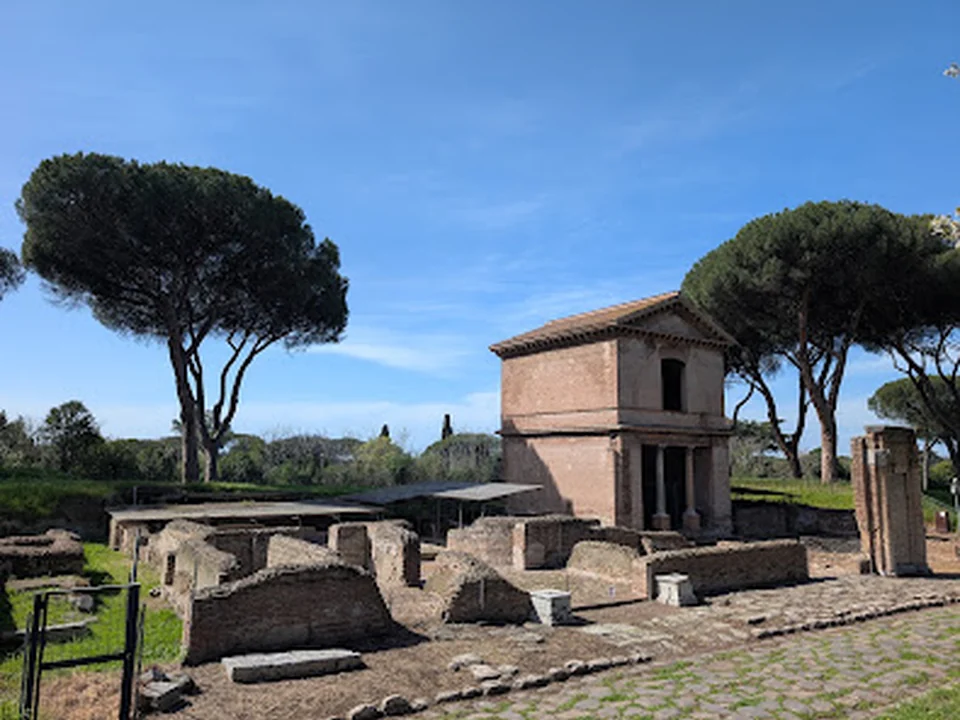
Tombs of Via Latina offers a quieter archaeological outing away from Rome’s busiest centre, with ancient burial chambers set along a distinctive cobbled path. Its appeal lies as much in the peaceful, open setting as in the opportunity to step back into the city’s early history.

The site forms part of a broader archaeological landscape that includes ancient aqueducts, the Antiquarium di Lucrezia Romana, Archivio Cederna and the Basilica di San Cesareo de Appia. Advance reservation is important, especially when planning a dedicated visit to this calm corner of Rome.

Basilica of San Clemente #11

Basilica of San Clemente

4.77954 reviews
Piazza di S. Clemente, 00184 Roma RM, Italy
Best for
Layered archaeology beneath a working basilica

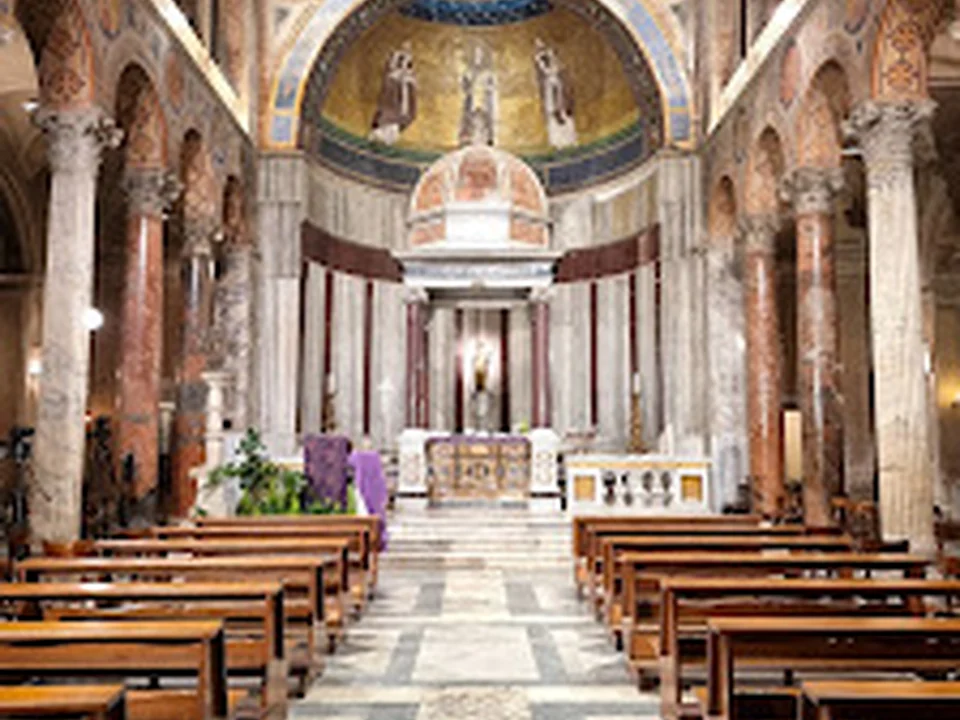
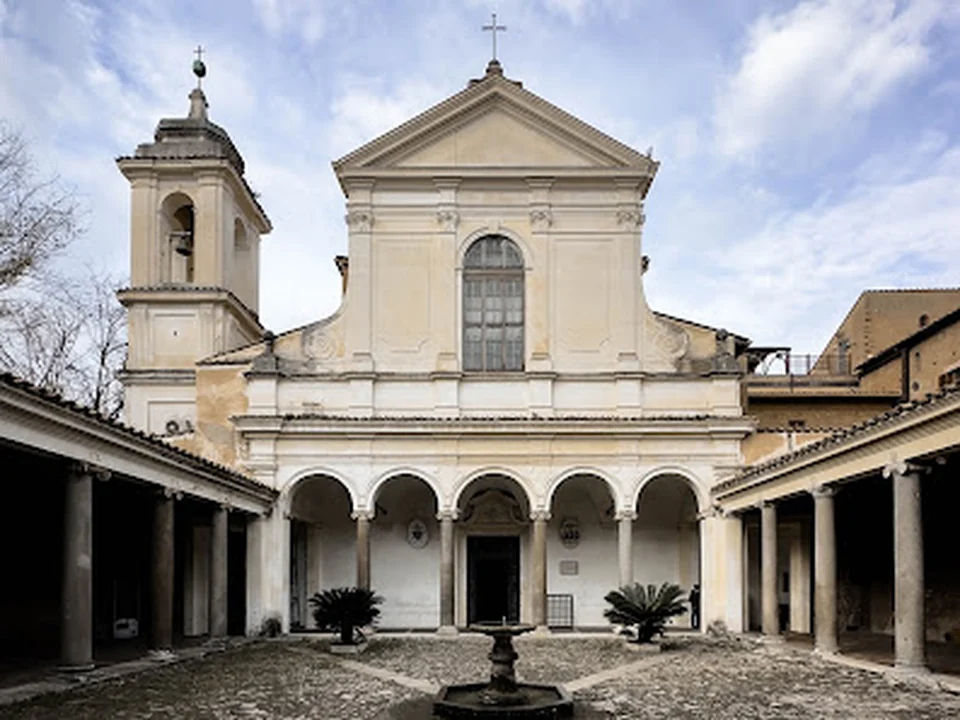
Basilica of San Clemente offers one of Rome’s most compelling historical journeys, moving from the medieval church into three underground levels shaped by earlier Roman and pagan structures. The ground-level basilica is free to enter, while the subterranean section requires a ticket and uses timed entry.

Open most days in morning and afternoon sessions, it closes earlier on Sunday, when access runs from noon to 6 pm. Advance planning suits the underground visit.

Basilica of St. Agnes Outside the Walls #12
What stands out
  • Church with underground historical layers

Basilica of St. Agnes Outside the Walls

4.71128 reviews
Via Nomentana, 349, 00162 Roma RM, Italy

The Basilica of St Agnes Outside the Walls is a historic Catholic church in Rome with several layers of early Christian and imperial history. Its interior contains notable artwork and mosaics, while the underground areas connect the visit with the cemetery and catacombs associated with Saint Agnes.

The basilica rewards visitors interested in religious heritage and archaeology, particularly those seeking a quieter setting away from the busiest central routes. The surrounding area adds to the sense of a lived-in neighbourhood rather than a conventional sightseeing circuit.

Basilica of Maxentius #13
What stands out
  • Monumental surviving Roman vaults

Basilica of Maxentius

4.7633 reviews
Clivo di Venere Felice, 00186 Roma RM, Italy

The Basilica of Maxentius is one of the Roman Forum’s most imposing surviving structures. Commissioned by Maxentius and completed under Constantine, it was a civic hall and law court rather than a Christian church, built on a monumental scale of roughly 100 by 65 metres.

Its surviving arches and vast coffered vaults are best appreciated from within the Forum, where the enormous masonry gives a vivid sense of imperial ambition. The site is especially rewarding for visitors interested in Roman architecture, engineering and the physical scale of ancient public buildings.

Basilica of St Sebastian Outside the Walls #14
What stands out
  • Bernini’s final sculpture

Basilica of St Sebastian Outside the Walls

4.7463 reviews
Via Appia Antica, 136, 00179 Roma RM, Italy
Best for
Seven Churches pilgrimageAppian Way heritage walks

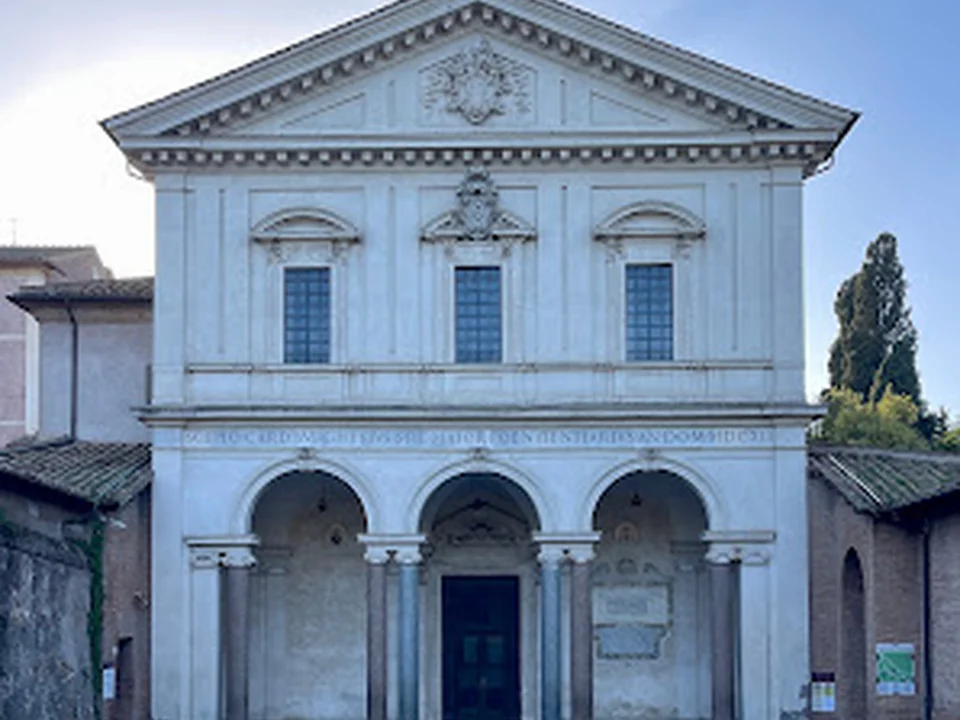
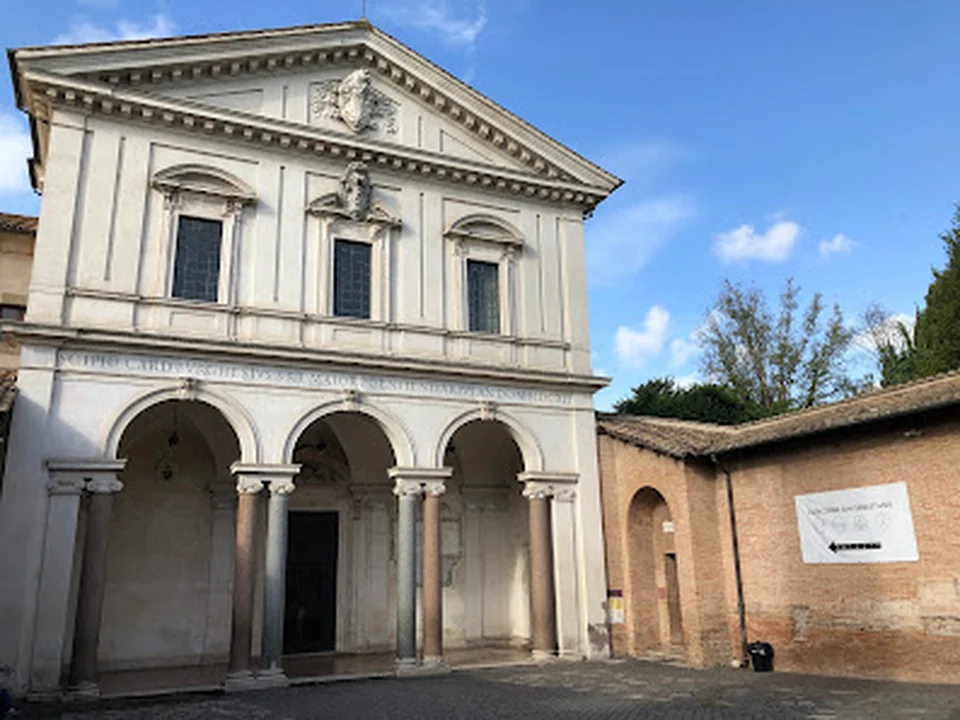
The Basilica of St Sebastian Outside the Walls is a historic Catholic church along the Appian Way and one of Rome’s traditional Seven Churches. Its quieter setting rewards visitors willing to travel beyond the centre, especially those already exploring the nearby catacombs and ancient road.

The Baroque interior includes the Bust of the Saviour, regarded as the final sculpture created by Gian Lorenzo Bernini. The basilica also carries strong links with the cult of Saint Sebastian and the early Christian history of the area. A visit can be paired with a walk through the Appian Way landscape and surrounding archaeological sites. The church is particularly suited to travellers seeking religious art, pilgrimage heritage and a less crowded side of Rome.

Porta Maggiore #15
What stands out
  • where two ancient aqueducts meet one of Rome’s former city entrances

  • Roman engineering and urban defence became part of the same monumental setting

Porta Maggiore

4.35486 reviews
Piazza di Porta Maggiore, 00182 Roma RM, Italy
Best for
Travellers fascinated by ancient aqueducts and Roman urban history

Porta Maggiore is a striking historical landmark where two ancient aqueducts meet one of Rome’s former city entrances. Built in the first century and later incorporated into the Aurelian Walls, it offers a compact way to see how Roman engineering and urban defence became part of the same monumental setting.

Located at Piazza di Porta Maggiore, the site suits visitors interested in aqueduct history and the city’s layered infrastructure. The surrounding area is busy and uneven in character, so advance planning and a reserved time slot can make the visit more comfortable.

Do you run a business?

Manage or add my business

Map of catacombs in Rome

Use the map to see how Rome’s main catacomb visits are spread across the southern and northern edges of the city. Via Appia Antica groups San Callisto and Saint Sebastian, while Domitilla and Priscilla require separate plans.

Check distances from your hotel and allow extra time when a site is away from a Metro station.

Catacomb visit options

  • Guided underground visitsExplore ancient tunnels, burial chambers and crypts with historical explanations during a structured visit.
  • Early Christian history toursLearn about the development of Christianity in Rome, burial practices and the communities connected with these sites.
  • Multilingual toursDomitilla offers visits in five languages, while Saint Sebastian includes clear English-language guidance.
  • Archaeological interpretationDiscover how underground burial spaces, ancient passages and archaeological remains shaped the story of Rome.
  • Art and symbolism visitsPriscilla is a strong choice for visitors interested in preserved paintings and early-Christian imagery.
  • Shorter historical toursSaint Sebastian suits families and visitors who prefer a concise, clearly organised introduction.
  • Museum componentsSome visits combine the underground route with museum material that adds context before or after the tour.

How to choose your visit

  1. Choose Via Appia Antica if you want to compare San Callisto and Saint Sebastian in the same part of Rome.
  2. Pick Saint Sebastian for a shorter, structured introduction that works well for families.
  3. Choose Domitilla if a broader route, a sunken church and multilingual guidance are important to you.
  4. Select Priscilla if preserved paintings, archaeology and early-Christian symbolism are central to your interests.
  5. Plan transport carefully for Domitilla, as it is away from a Metro station.
  6. Reserve ahead whenever possible, especially if your Rome itinerary has fixed dates or limited flexibility.

Frequently asked questions

Which catacombs are easiest to combine in one outing?

San Callisto and Saint Sebastian are both on Via Appia Antica, making them the most natural pair to consider in one area. Allow time for each guided visit, travel between entrances and any nearby Appian Way stops you want to include.

Are Rome catacomb visits suitable for families?

They can be, particularly when children are comfortable with enclosed underground spaces and historical themes. Saint Sebastian offers a shorter, clearly structured introduction, while other sites may involve longer passages and more detailed explanations.

Which catacomb is best for art and archaeology?

Priscilla is a compelling choice for visitors drawn to preserved paintings, early-Christian symbolism and archaeological interpretation. Domitilla also offers substantial historical depth, including ancient burial passages and a sunken church.

Can I visit the catacombs without planning transport?

It is better to check the route before setting out. Domitilla is away from a Metro station, and the sites on Via Appia Antica are outside the central sightseeing area.

Build in travel time rather than treating the visit as a quick central stop.

Do catacomb tours offer languages other than Italian?

Language availability differs by site and visit time. Saint Sebastian has English-language guidance, while Domitilla is noted for tours in five languages.

Confirm the available language and schedule when arranging your visit.

Should I reserve a catacomb visit in advance?

Advance booking is sensible because guided visits can have limited places and fixed departure times. Reserving early is especially helpful during busy travel periods or when you need a particular language, morning slot or afternoon visit.
Related guides