Menu

15 Best Galleries in Rome

Rome’s galleries range from private Baroque palaces and Renaissance rooms to spacious modern-art collections and archaeology in a former power station. This guide helps you compare them by location, the kind of art and architecture you want to see, and whether you need to reserve ahead. Consider Via della Pilotta, V. del Corso, Villa Borghese, and Via Ostiense when planning your route.

How we built this ranking

We chose galleries in Rome with a proven record among their customers and ranked them with the specialists first. The list is reviewed regularly so it stays current.

A few businesses pay to stand out, always after passing our editorial review and with a label that says so.

Top 3The full listMapPicking the right one

Compare 15 options nearby

Galleria Colonna, Rome#1
Strong points
  • Private Baroque palace

  • Sala Grande

  • Painting and sculpture collection

Galleria Colonna

4,93.267 reviews
Via della Pilotta, 17, 00187 Roma RM, Italy
Ideal for
Palace architecture and art

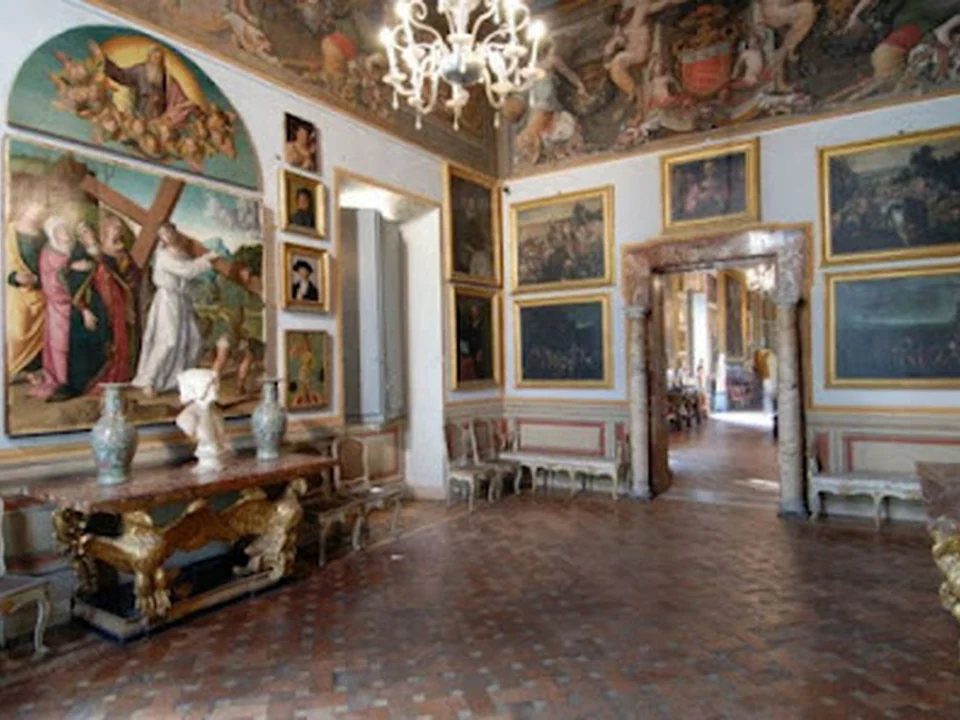
Galleria Colonna pairs an art museum with the grandeur of a private Baroque palace on Via della Pilotta. The Sala Grande is the visual centerpiece, creating a cinematic sense of scale, while the collection rewards visitors who enjoy architecture as much as painting and sculpture.

Its more limited public opening pattern makes it especially suited to a planned cultural visit rather than an improvised museum stop.

Casa Museo Wunderkammer Roma Artificialia, Rome#2
Strong points
  • Independent neogothic house museum

  • Art and science collection

  • Visit-and-concert experiences

Casa Museo Wunderkammer Roma Artificialia

4,9101 reviews
Via Valle Corteno, 75, 00141 Roma RM, Italy
Ideal for
Unusual collections and live music

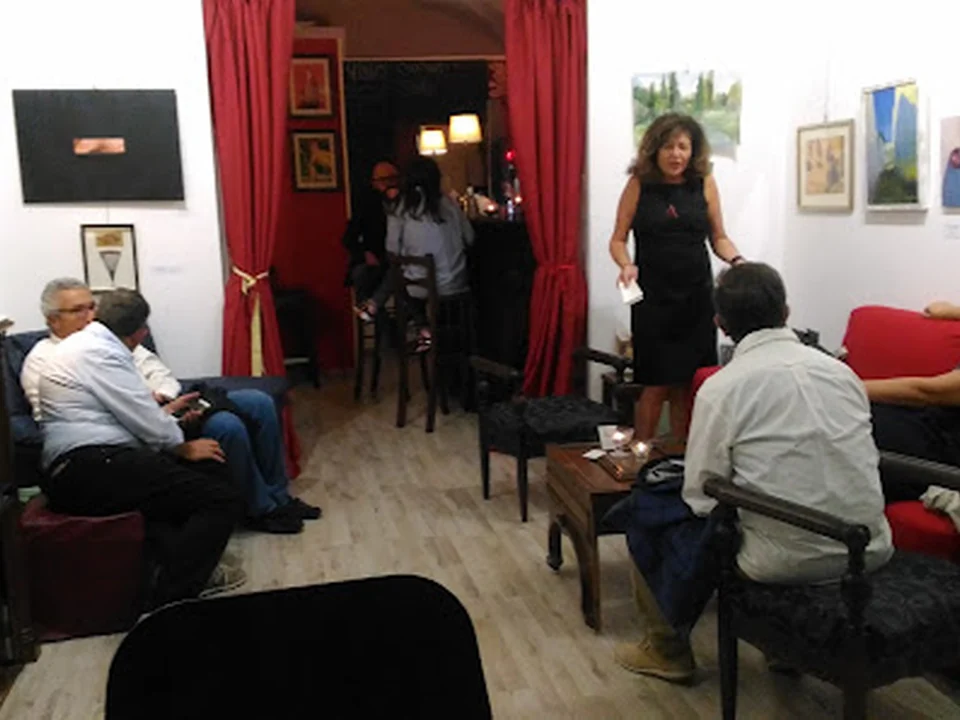
Casa Museo Wunderkammer Roma Artificialia is an independent neogothic house museum where art, history, science, nature, alchemy, fantasy and religion meet in a personal collection. Its intimate scale rewards curiosity rather than speed, with unexpected objects and a strong sense of discovery throughout.

The venue also brings art together with live music, including visit-and-concert experiences that suit birthdays, cultural outings and distinctive evenings away from Rome’s main museum circuit.

Capitoline Museums, Rome#3
Strong points
  • Ancient sculptures

  • Archaeological collections

  • Piazza del Campidoglio setting

Capitoline Museums

4,718.817 reviews
Piazza del Campidoglio, 1, 00186 Roma RM, Italy
Ideal for
Roman history through art

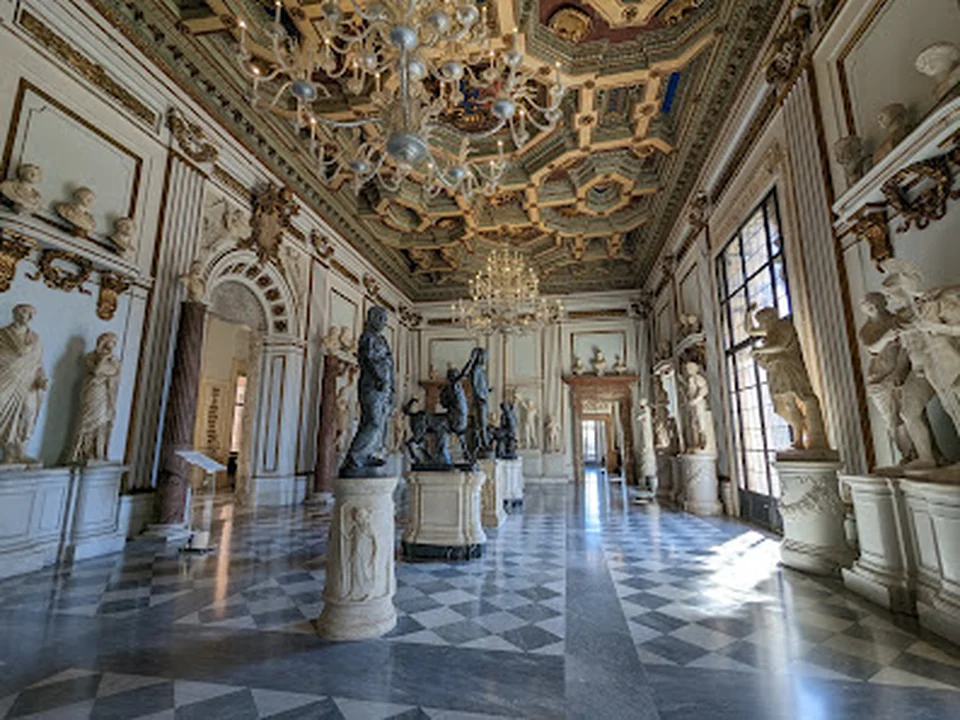
The Capitoline Museums turn Piazza del Campidoglio into a sweeping journey through Roman history. Ancient sculptures, archaeological collections and beautifully arranged galleries give the visit real depth, with enough detail to reward both art enthusiasts and history-focused travelers.

The museum’s setting in Rome’s monumental civic heart strengthens the experience, making it a natural choice for a substantial cultural afternoon.

Galleria Doria Pamphilj, Rome#4
Strong points
  • Palace on Via del Corso

  • Decorated historic rooms

  • Complimentary family-voiced audio tour

Galleria Doria Pamphilj

4,78.425 reviews
V. del Corso, 305, 00186 Roma RM, Italy
Ideal for
Art with aristocratic history

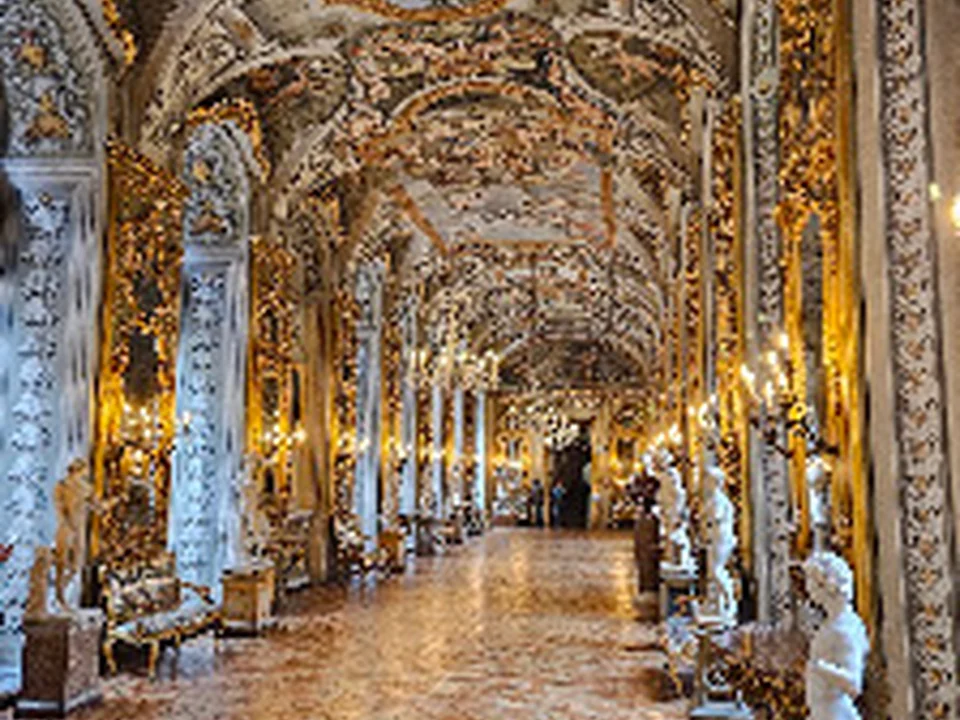
Galleria Doria Pamphilj occupies a grand palace on Via del Corso, where art, aristocratic history and richly decorated rooms come together in one of Rome’s most atmospheric visits. The collection is best explored at an unhurried pace, and the complimentary audio tour adds context through a family voice guiding visitors around the palace.

Advance booking is sensible, particularly for a focused museum visit in central Rome.

Centrale Montemartini, Rome#5
Strong points
  • Former power station

  • Ancient marble sculpture and mosaics

  • Steam and diesel machinery

Centrale Montemartini

4,75.633 reviews
Via Ostiense, 106, 00154 Roma RM, Italy
Ideal for
Classical art in industrial surroundings

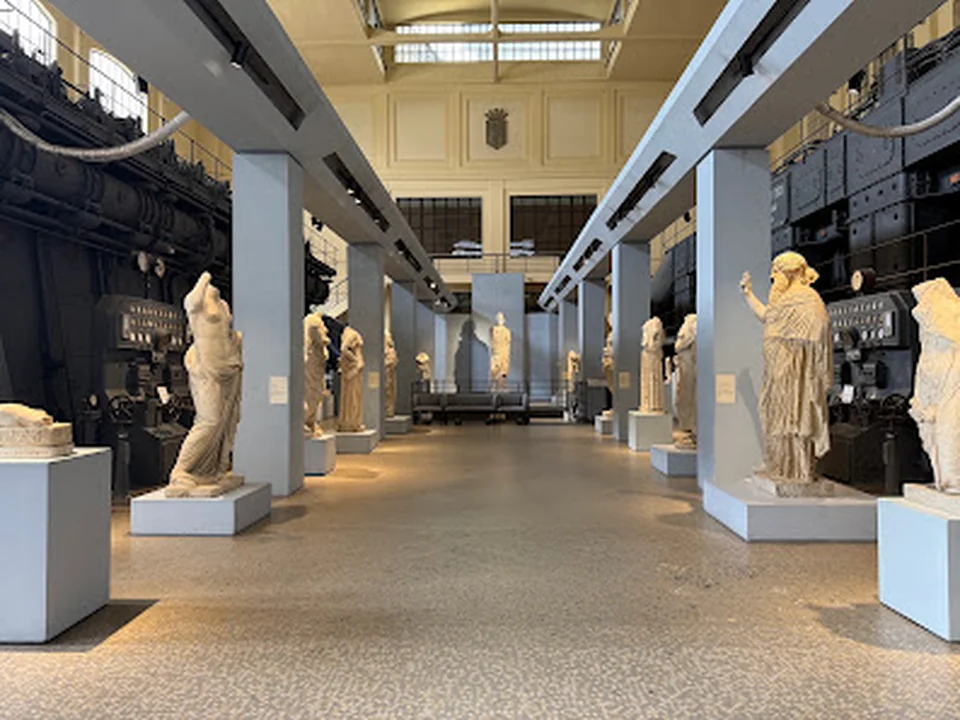
Centrale Montemartini creates one of Rome’s most distinctive museum contrasts by placing ancient marble sculpture, mosaics and archaeological objects inside a former power station. Steam and diesel machinery remain part of the visual language, giving the galleries an industrial scale that sharpens the impact of the classical works.

Its Via Ostiense location is a little beyond the central museum circuit, but the setting makes the detour worthwhile.

Galleria Borghese, Rome#6
Strong points
  • Bernini sculptures

  • Decorated rooms and ceilings

  • Painting collection

Galleria Borghese

4,630.123 reviews
Piazzale Scipione Borghese, 5, 00197 Roma RM, Italy
Ideal for
A focused sculpture visit

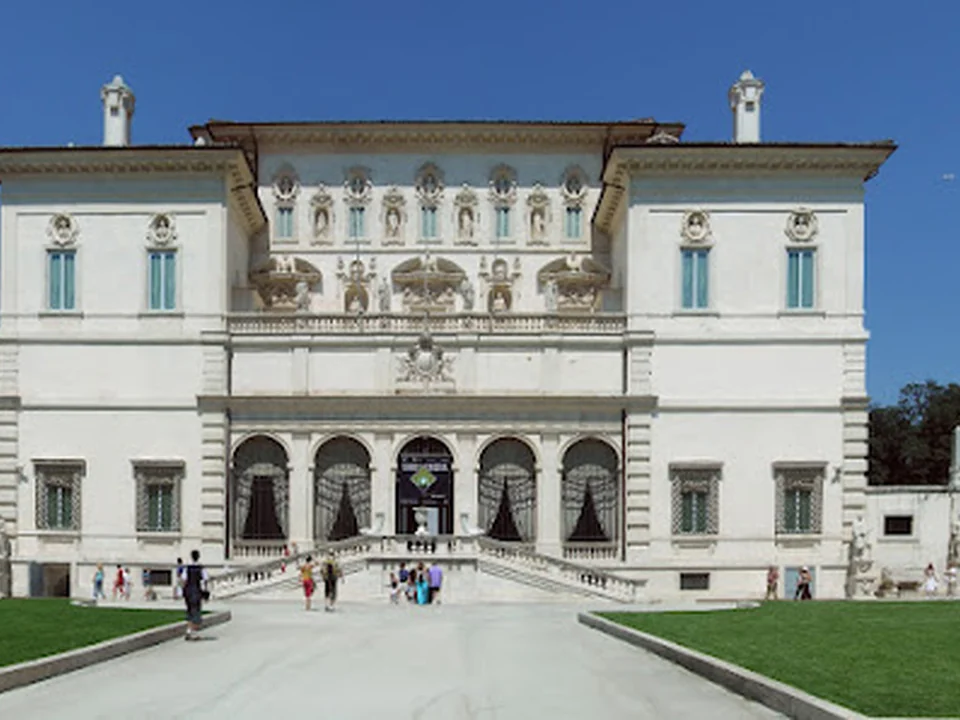
Galleria Borghese is an intimate art museum where the building competes with the collection for attention. Bernini’s sculptures are a major draw, joined by richly decorated rooms, celebrated paintings and striking ceilings.

Visits follow a strict two-hour format, so advance ticket planning is central to the experience. At Piazzale Scipione Borghese, it suits travelers who prefer concentrated masterpieces over a sprawling museum route.

Gallerie Nazionali di Arte Antica - Palazzo Barberini, Rome#8
Strong points
  • 17th-century palace

  • Baroque art with Bernini focus

  • Children’s workshop

Gallerie Nazionali di Arte Antica - Palazzo Barberini

4,69.030 reviews
Via delle Quattro Fontane, 13, 00187 Roma RM, Italy
Ideal for
Baroque collections and family visits

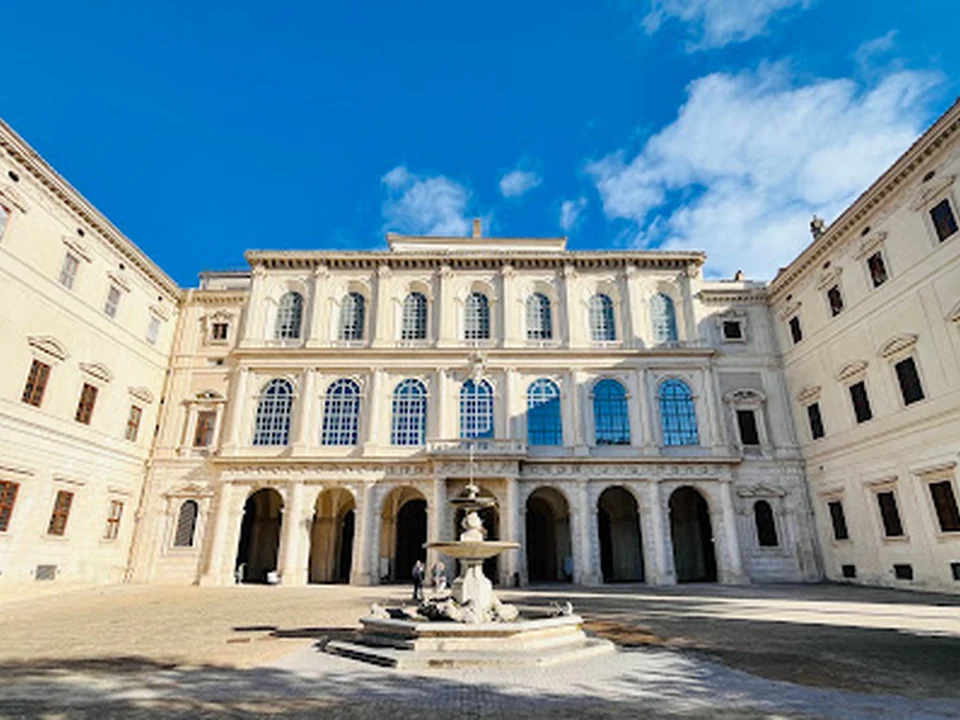
Palazzo Barberini brings an exceptional art collection into one of Rome’s most imposing 17th-century palaces. The grand interiors provide a fitting backdrop for paintings, sculpture and Baroque highlights, including a notable Bernini focus.

The wider Barberini Corsini institution connects two museum sites and more than 5,000 works of ancient art, while a children’s workshop adds a family-friendly dimension to its program.

Villa Farnesina, Rome#9
Strong points
  • Raphael-linked frescoes

  • Renaissance architecture and gardens

  • Mythological painted ceilings

Villa Farnesina

4,63.259 reviews
Via della Lungara, 230, 00165 Roma RM, Italy
Ideal for
Frescoes in a historic residence

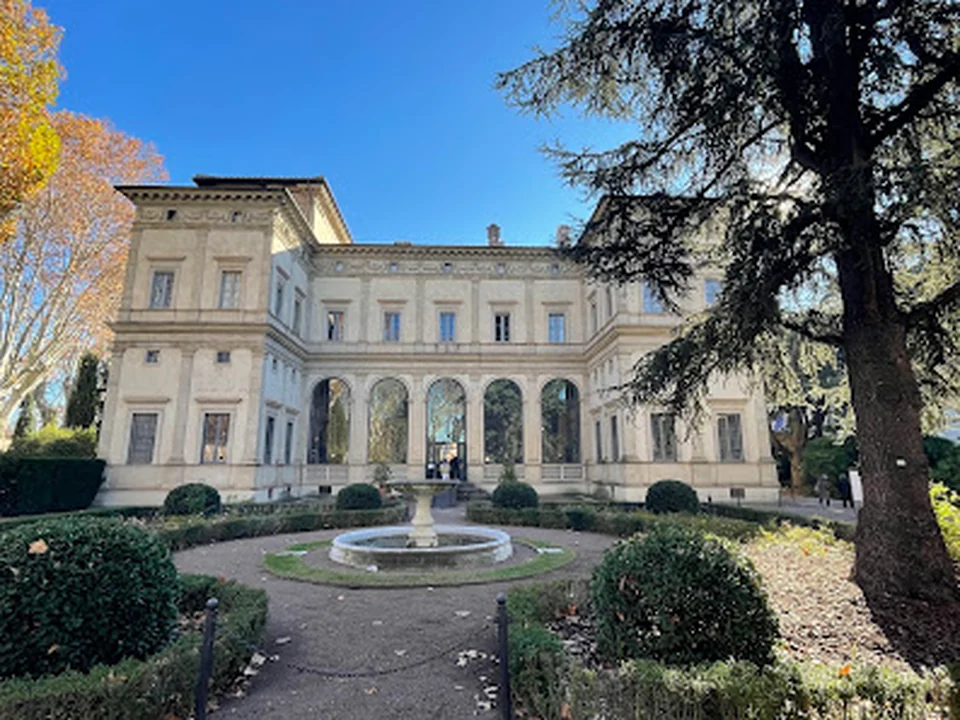
Raphael-linked frescoes connect the rooms of Villa Farnesina with mythological scenes and painted ceilings, while statuary and gardens extend the visit beyond the paintings. This Renaissance residence in Trastevere suits visitors drawn to the relationship between art and architecture, with an intimate scale that lends itself to a quieter morning outing.

MAXXI, Rome#10
Strong points
  • 21st-century art

  • Interactive exhibitions

  • Contemporary architecture

MAXXI

4,512.891 reviews
Via Guido Reni, 4a, 00196 Roma RM, Italy
Ideal for
Contemporary art with children

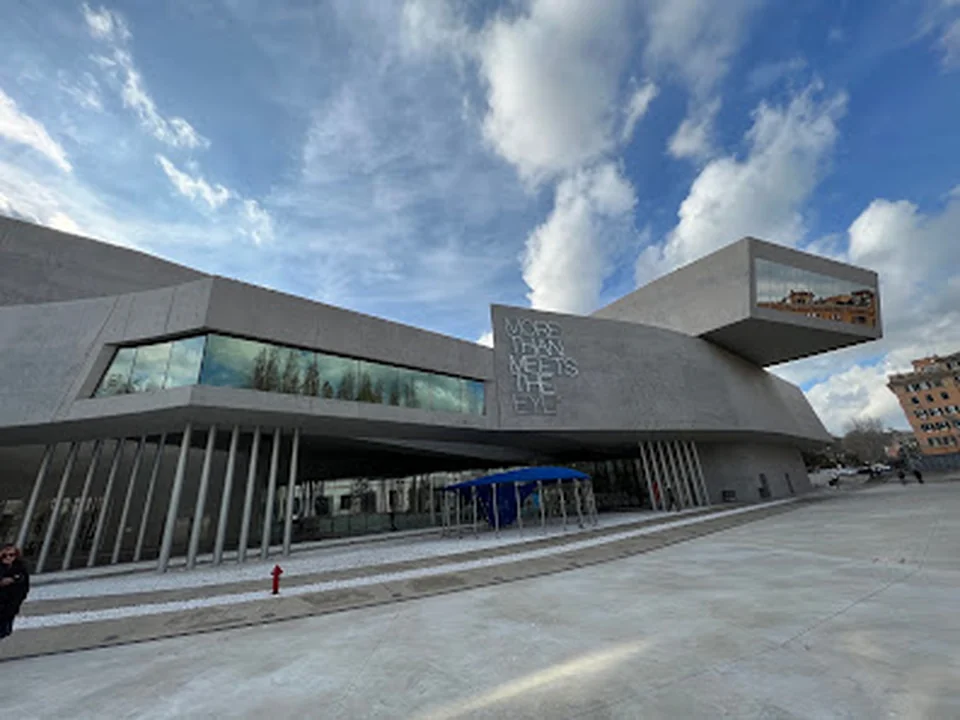
MAXXI is Rome’s national museum of 21st-century art, housed in an impressive contemporary building on Via Guido Reni. Its spacious galleries, interactive exhibitions and architecture make it a rewarding destination for visitors who enjoy modern and contemporary work rather than a conventional ancient-Rome itinerary.

Families can spend an afternoon here comfortably, with a café on site for lunch or a coffee break between exhibitions.

Museo di Roma - Palazzo Braschi, Rome#11
Strong points
  • Restored 18th-century palace

  • Urban history exhibitions

  • Beside Piazza Navona

Museo di Roma - Palazzo Braschi

4,55.141 reviews
Piazza di S. Pantaleo, 10, 00186 Roma RM, Italy
Ideal for
Exploring Rome’s changing urban life

Museo di Roma occupies the restored Palazzo Braschi beside Piazza Navona, using an 18th-century palace to explore Rome through art, urban history and changing exhibitions. A detailed presentation on the city’s towns, gardens and public spaces shows how culture, planning and everyday life intersect.

Its central setting makes it convenient for a focused exhibition visit paired with a walk through Rome’s historic core.

Galleria Spada, Rome#12
Strong points
  • Borromini’s trompe-l’œil perspective

  • Titian and Artemisia Gentileschi paintings

  • Baroque palace architecture

Galleria Spada

4,52.860 reviews
Piazza Capo di Ferro, 13, 00186 Roma RM, Italy
Ideal for
Painting and architectural illusions

Galleria Spada offers a compact, atmospheric art visit inside a historic palace on Piazza Capo di Ferro. Its Baroque architecture and Borromini’s famous trompe-l’œil perspective share the spotlight with a focused collection of Renaissance and Baroque painters, including Titian and Artemisia Gentileschi.

The intimate scale makes it especially appealing when you want distinctive art and architectural detail without committing to a vast museum complex.

National Museum of the Palazzo di Venezia, Rome#13
Strong points
  • 15th-century Renaissance palace

  • Weapons, armor and decorative art

  • Inner garden

National Museum of the Palazzo di Venezia

4,52.786 reviews
Via del Plebiscito, 118, 00186 Roma RM, Italy
Ideal for
Decorative art and palace courtyards

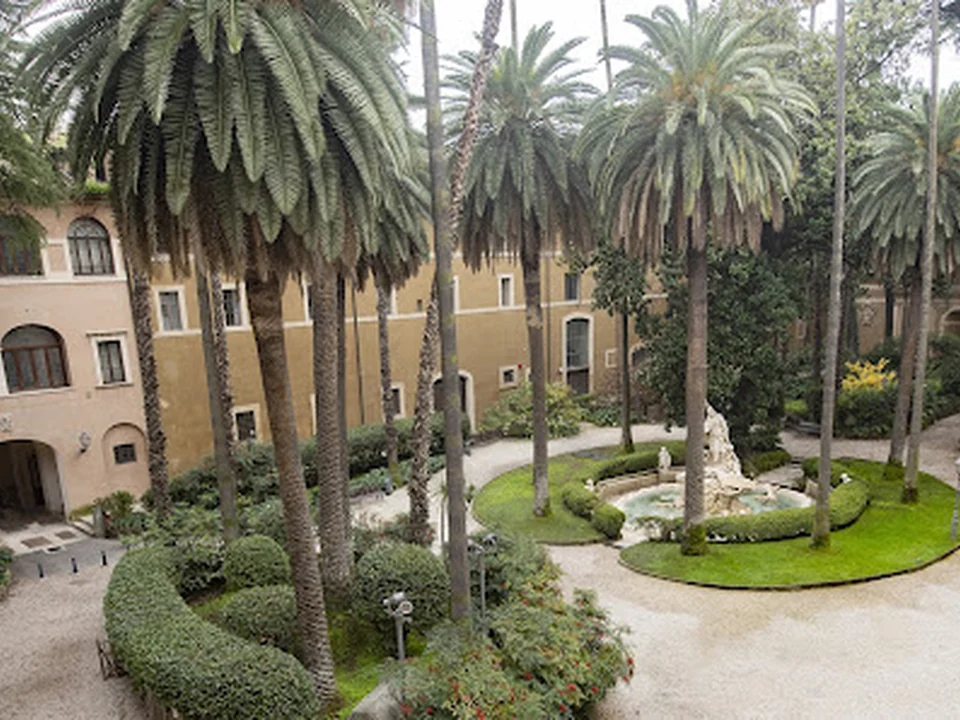
The National Museum of the Palazzo di Venezia combines a 15th-century Renaissance palace with a varied collection of small sculptures, weapons, armor and decorative art. Its elegant inner garden adds a quieter dimension to the visit, offering space to pause after the galleries.

Near Piazza Venezia, it works well for an afternoon cultural stop when architecture, courtyards and intimate collections matter as much as headline masterpieces.

Villa Medici, Rome#14
Strong points
  • Palace and gardens

  • Temporary contemporary exhibitions

  • Tours and cultural events

Villa Medici

4,43.880 reviews
Viale della Trinità dei Monti, 1, 00187 Roma RM, Italy
Ideal for
Gardens alongside contemporary projects

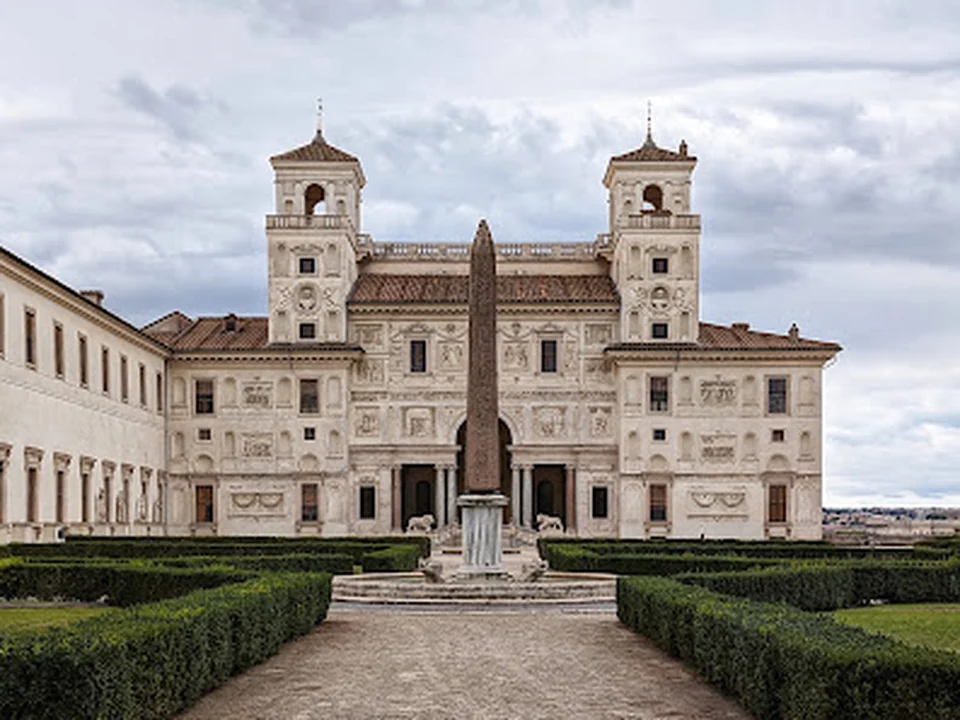
Villa Medici offers a calm art-and-architecture experience above Rome, with an elegant palace, peaceful gardens and a changing program of contemporary projects and events. The atmosphere is composed and carefully maintained rather than theatrical, making it a welcome pause from the city’s intensity.

Tours and temporary exhibitions give the visit added interest, while advance booking is sensible for a planned cultural outing.

Macro, Rome#15
Strong points
  • Steel-and-glass museum complex

  • Changing contemporary installations

  • Experimental exhibition spaces

Macro

4,24.901 reviews
V. Nizza, 138, 00198 Roma RM, Italy
Ideal for
Exploring unconventional contemporary art

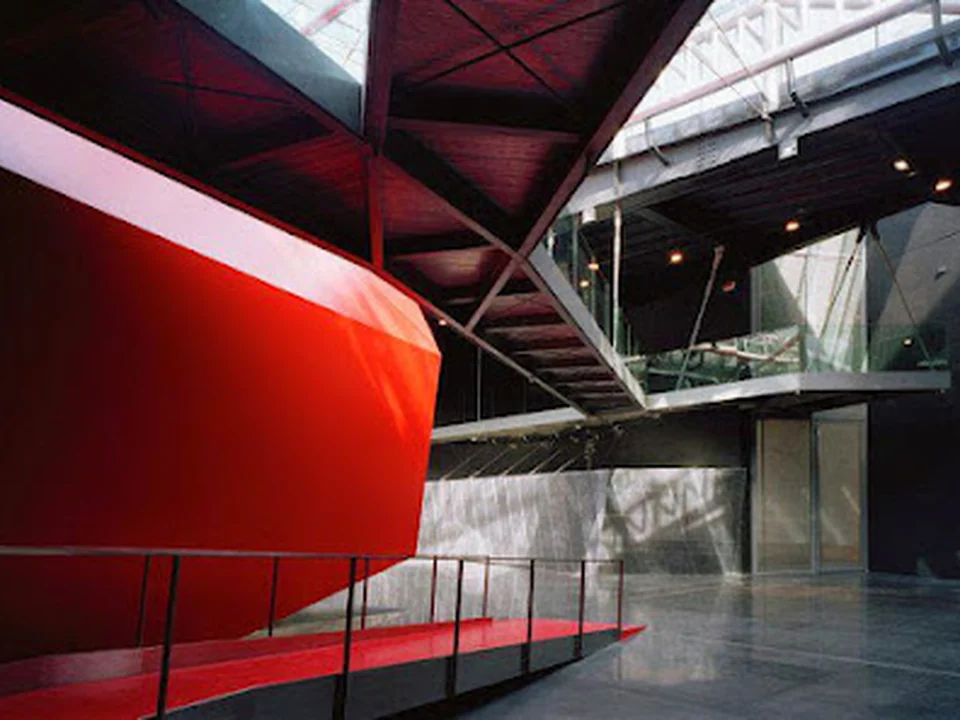
Macro is a contemporary art museum on Viale Nizza, housed in a steel-and-glass complex with a notably expansive footprint. The building itself shapes the visit, offering a large-scale setting for changing installations and modern artistic projects.

It is best approached by visitors curious about experimental exhibition spaces and willing to explore a less traditional museum format rather than expecting a dense sequence of historic masterpieces.

A summary of the options

#BusinessRatingReviewsIdeal for
#1Galleria Colonna 4,93.267Palace architecture and art
#2Casa Museo Wunderkammer Roma Artificialia 4,9101Unusual collections and live music
#3Capitoline Museums 4,718.817Roman history through art
#4Galleria Doria Pamphilj 4,78.425Art with aristocratic history
#5Centrale Montemartini 4,75.633Classical art in industrial surroundings
#6Galleria Borghese 4,630.123A focused sculpture visit
#7National Gallery of Modern and Contemporary Art 4,611.011Unhurried modern art exploration
#8Gallerie Nazionali di Arte Antica - Palazzo Barberini 4,69.030Baroque collections and family visits
#9Villa Farnesina 4,63.259Frescoes in a historic residence
#10MAXXI 4,512.891Contemporary art with children
#11Museo di Roma - Palazzo Braschi 4,55.141Exploring Rome’s changing urban life
#12Galleria Spada 4,52.860Painting and architectural illusions
#13National Museum of the Palazzo di Venezia 4,52.786Decorative art and palace courtyards
#14Villa Medici 4,43.880Gardens alongside contemporary projects
#15Macro 4,24.901Exploring unconventional contemporary art

Own a local business?

Manage my business profile

Where to find galleries in Rome

Use the map to group galleries by area rather than crossing the city between every visit. Central options around V. del Corso, Piazza Capo di Ferro, and Via delle Quattro Fontane work well with historic itineraries, while Villa Borghese and Via delle Belle Arti suit a museum-focused afternoon. Via Ostiense offers a more distinct industrial setting.

Services on offer

  • Palace art collectionsVisit grand historic interiors filled with Renaissance and Baroque painting, sculpture, and decorative detail at Galleria Colonna, Galleria Doria Pamphilj, and Palazzo Barberini.
  • Baroque architectureCombine major artworks with palace rooms, monumental ceilings, and the architectural drama of Rome’s seventeenth-century buildings.
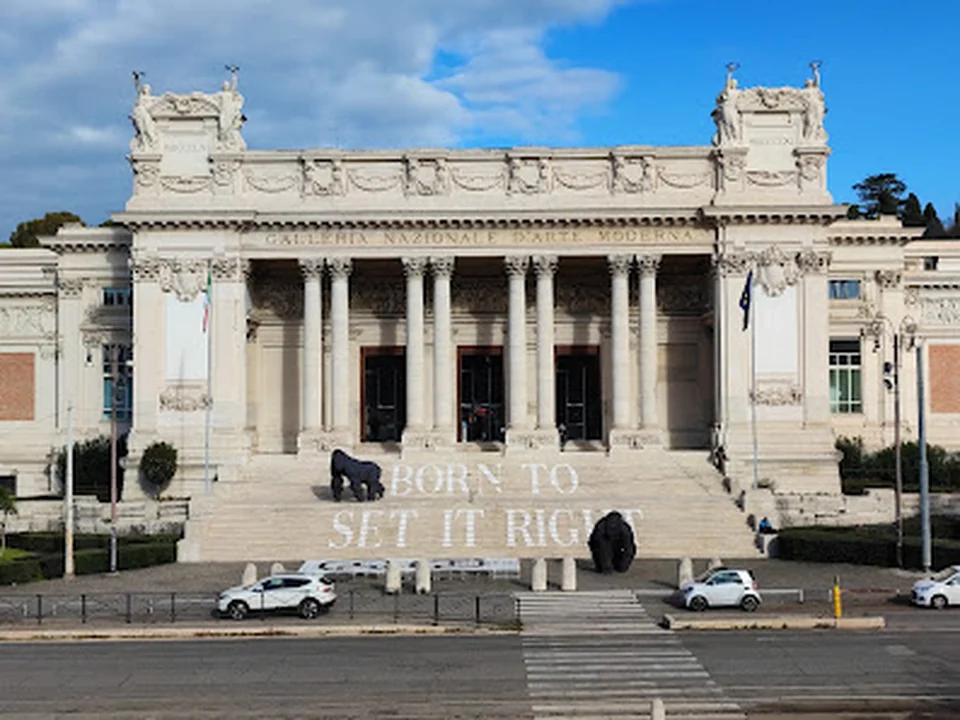
  • Modern and contemporary artExplore nineteenth- and twentieth-century painting and sculpture in spacious rooms at the National Gallery of Modern and Contemporary Art.
  • Renaissance masterpiecesChoose focused collections featuring celebrated Renaissance works alongside richly decorated historic interiors.
  • Bernini sculptureLook for concentrated sculpture displays and Baroque highlights, particularly at Galleria Borghese and Palazzo Barberini.
  • Ancient art and archaeologySee Roman history, ancient sculpture, mosaics, and archaeological collections at the Capitoline Museums and Centrale Montemartini.
  • Optical illusion architectureAdd Borromini’s famous trompe-l’œil perspective to a compact visit at Galleria Spada.
  • Family-friendly museum timeConsider architecture, open gallery spaces, and museum visits that can work well for a family afternoon.

Choosing well among galleries in Rome

  1. Pick the collection first: Baroque painting and sculpture, Renaissance works, modern art, or ancient Roman history.
  2. Check the address against the rest of your itinerary.
  3. Central galleries can pair naturally with palace, piazza, and historic-centre visits.
  4. Reserve ahead for Galleria Borghese, where visits follow a strict two-hour format, and for galleries with limited public opening patterns.
  5. Choose Galleria Spada for a shorter, more atmospheric visit, especially if Borromini’s optical illusion interests you.
  6. Allow more time for the Capitoline Museums or the National Gallery if you prefer broad collections and a slower pace.
  7. Before travelling, confirm the current opening hours, admission arrangements, and any temporary exhibition details.

Questions readers ask

Which Rome gallery is best for a Baroque palace setting?

Galleria Colonna, Galleria Doria Pamphilj, and Palazzo Barberini all combine important art with impressive palace interiors. Galleria Colonna suits a carefully planned palace visit, while Doria Pamphilj adds aristocratic history and a complimentary audio tour. Palazzo Barberini offers a broader museum experience with strong Baroque highlights.

Do Rome galleries need to be booked in advance?

Some do, especially the most tightly scheduled or popular visits. Galleria Borghese uses timed two-hour sessions, and advance booking is also sensible for Galleria Doria Pamphilj. Check the current arrangements before setting out, particularly when your itinerary depends on one specific time.

Where should I go for modern art in Rome?

The National Gallery of Modern and Contemporary Art on Viale delle Belle Arti is the clearest choice for a spacious modern-art visit. Its large exhibition rooms and quieter atmosphere suit visitors who want nineteenth- and twentieth-century painting and sculpture away from the busiest historic sights.

Which gallery is best for ancient Roman art?

The Capitoline Museums are a strong choice for ancient sculpture, archaeology, and Roman history in the monumental setting of Piazza del Campidoglio. Centrale Montemartini offers a different perspective, placing ancient works inside a former power station in Via Ostiense.

What is distinctive about Galleria Spada?

Galleria Spada is compact and atmospheric, with a focused collection of Renaissance and Baroque painting inside a historic palace. Its standout feature is Borromini’s trompe-l’œil perspective, which makes the visit especially appealing to anyone interested in architecture as well as art.

Can I visit several galleries in one day?

Yes, if you group them by neighbourhood and match the pace to the collections. Several central galleries are close enough to combine with a historic-centre walk, while Villa Borghese and Viale delle Belle Arti work better as a dedicated museum area. Leave room for timed entry and opening hours.

Keep exploring